Three Gifts, Three Palates: A Practical Sake Plan for the Holidays

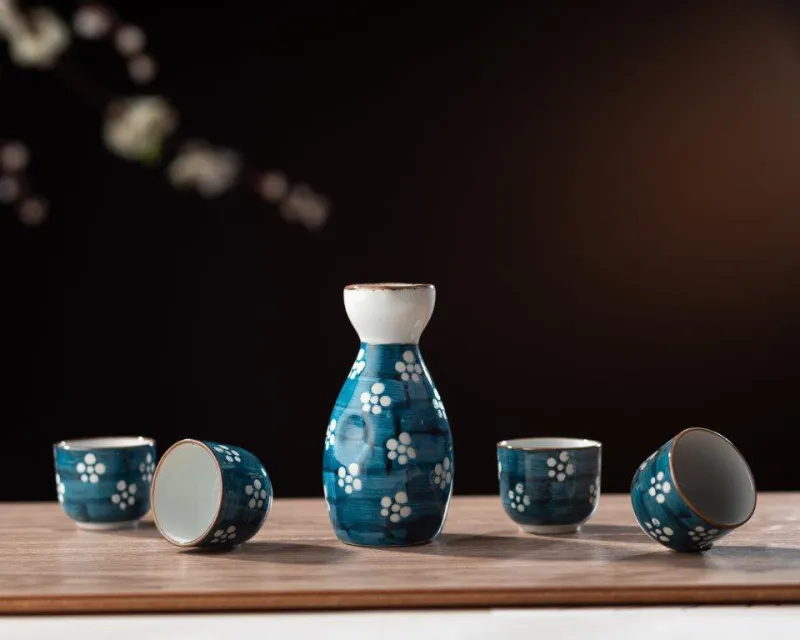
Photo by Photo by Riccardo Andolfo on Unsplash on Unsplash
The Problem With Sake as a Gift
Sake has a gifting problem. A bottle often arrives with ceremony and immediately becomes homework. The recipient smiles, sets it on the counter, and quietly wonders whether it should be chilled, warmed, opened now, or saved for an occasion that may never arrive. The bottle is not the difficulty. The difficulty is that sake is still unfamiliar enough in the United States that a gift can feel like an assignment.
The solution is not a longer explanation. It is a better-matched bottle. For the 2026 holiday season, the most useful gift plan is to choose by recipient rather than by price or prestige. Three styles cover most situations: a clean, friendly junmai ginjo for the curious skeptic; a savory, textured kimoto or yamahai junmai for the seasoned drinker; and a small-production koshu for the host who already has everything. Each can be found through US specialty retailers, Japanese grocery stores, and reputable online shops, and each can be served without a lecture.
For the Curious Skeptic: A Clean Junmai Ginjo
The skeptic does not need the most delicate daiginjo or the most aromatic ginjo. That approach can confirm the suspicion that sake is strange, perfumed, or overly precious. A better choice is a clean junmai ginjo with a quiet nose, a soft texture, and enough acidity to feel refreshing rather than sweet. Look for a 720ml bottle in the roughly 30 to 45 dollar range. This is the price band where many solid, well-made junmai ginjo bottlings sit in the US market, and it is high enough to feel like a gift without demanding a special occasion.
Retail channels matter. A Japanese grocery such as Mitsuwa, Nijiya, or Uwajimaya often carries dependable junmai ginjo in this range. Larger retailers such as Total Wine & More may stock a smaller but useful selection, and specialty shops or online retailers such as True Sake and Tippsy can help when local shelves are thin. If the recipient is new to sake, avoid anything labeled genshu or namazume unless the shop can explain it clearly. A standard junmai ginjo is the safer gift.
Serve it chilled, roughly 50 to 55 degrees Fahrenheit, in a white wine glass if no sake cup is at hand. Pair it with roast chicken, salty cheeses, or a simple holiday spread of crackers and cured meat. The point is not to teach a lesson about polishing ratios. The point is to show that sake can be calm, food-friendly, and easy to like.
For the Seasoned Drinker: A Kimoto or Yamahai Junmai
The seasoned drinker has probably tasted the clean, fragrant end of sake. What may still feel new is texture and savor. A kimoto or yamahai junmai offers both. These traditional starter methods tend to produce fuller, earthier, more savory sake with visible acidity and a longer finish. They are not aggressive, but they are unmistakably different from the polite junmai ginjo that often serves as an introduction.
Expect to pay roughly 45 to 75 dollars for a well-chosen bottle. Availability is less universal than for junmai ginjo, so a specialty shop is worth the trip. In the US, stores with a serious sake section or online retailers that specialize in Japanese imports are the most reliable sources. Ask for a bottle that has been stored cold, especially if it is unpasteurized or lightly pasteurized. A shop that understands sake will not mind the question.
This is also the bottle to serve warm. Heat it gently to about 110 to 120 degrees Fahrenheit and let the savory notes open. Pair it with roasted mushrooms, aged cheese, holiday ham, or anything with a browned, salty edge. The gift works because it gives an experienced drinker a different kind of conversation: not more aroma, but more weight, acidity, and warmth.
For the Host Who Has Everything: A Small-Production Koshu
The host who has everything is not impressed by another predictable bottle. A small-production koshu, or aged sake, is the more interesting answer. Koshu can range from lightly golden and nutty to deep amber and sherry-like, depending on age and storage. It is not a casual everyday pour, but it is a memorable gift, and it gives a confident host something to open with company rather than save indefinitely.
Price varies widely, but a thoughtful bottle often falls between 50 and 90 dollars. Availability is limited, so this is the gift to buy from a specialty retailer rather than a general liquor store. Online shops with curated Japanese selections are useful here, as are Japanese grocery stores in larger metropolitan areas. Ask for a bottle with clear storage history. Koshu is resilient, but it is not indestructible.
Serve it slightly chilled or at cool room temperature, depending on the bottle. Pair it with roasted nuts, dried fruit, aged cheese, or a rich poultry dish. A small pour is enough. The gift does not need a tasting sheet attached. A short handwritten note with one serving suggestion is more effective than a pamphlet.
Putting the Gift Together
The best sake gift is not the most expensive bottle on the shelf. It is the bottle that matches the person receiving it. For the skeptic, choose clean and friendly. For the seasoned drinker, choose savory and textured. For the host, choose unusual and well stored. Add a simple note: serve this chilled, or warm this gently, and try it with this dish. That is enough. The bottle will do the rest of the convincing.