Reading the Shelf: How to Hunt Down a Great Bottle at Your Local Asian Grocery
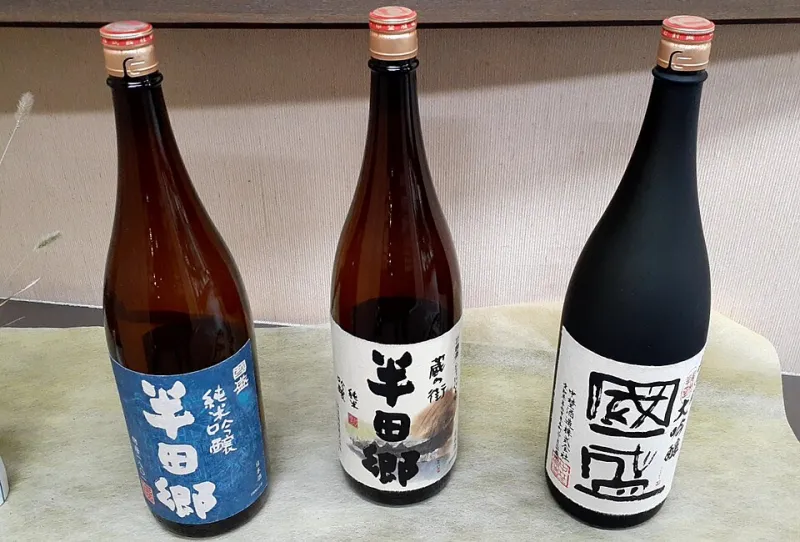
Photo: Asturio Cantabrio, CC BY-SA 4.0, via Wikimedia Commons
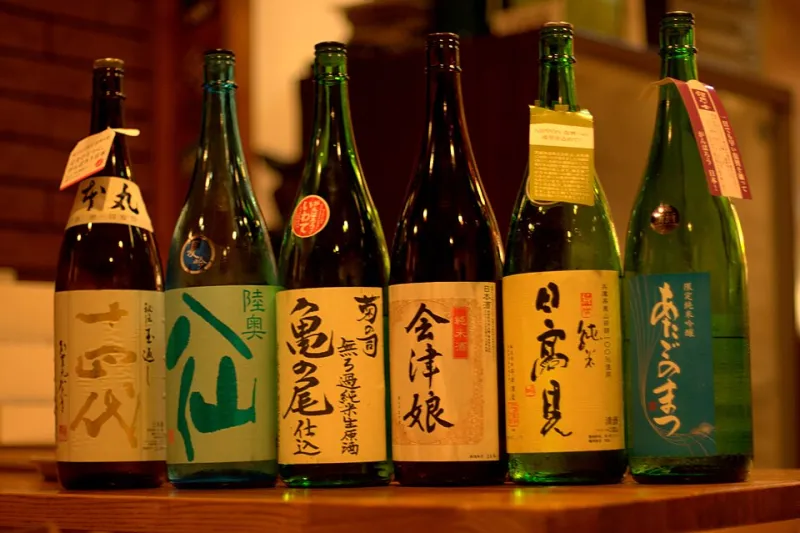
Walk into almost any Asian grocery in the United States — a 99 Ranch, an H Mart, a neighborhood mom-and-pop market — and you'll find a sake shelf most newcomers find impenetrable. Dozens of bottles, labels in Japanese, prices ranging from $5 to well past $50. It's tempting to grab whatever's cheapest and hope for the best.
But there's a better approach. With a handful of visual cues and a little context, that intimidating shelf becomes one of the most rewarding places to buy sake in America.
Start With Shelf Position, Not Price
Retail placement is a quiet signal. In most Asian markets, the eye-level and front-facing bottles tend to be the ones that move quickly and get restocked — which matters more for sake than for wine, since freshness is a genuine virtue in this category. A bottle that's been sitting under fluorescent light for a year has likely lost the delicate aromatics that make good sake sing.
So look for: labels that appear crisp and uncircled (sunlight fades ink over time), bottles stored away from the door, and, if you're lucky, a refrigerated case. Anything kept cold is a strong bet that the shop takes the category seriously.
Four Kanji Worth Learning
You don't need to read Japanese. You need to recognize four characters.
純米 (Junmai) — pure rice sake, no added distilled alcohol. This single term is the most reliable quality marker on a budget label.
米 (Kome) — rice. When it appears alongside junmai, you're looking at sake made only from rice, water, yeast, and koji.
生 (Nama) — unpasteurized. Vivid and lively, but handle with care; if the bottle isn't refrigerated, skip it.
本醸造 (Honjozo) — a small amount of distilled alcohol added for a lighter, cleaner profile. Not a flaw — many excellent everyday sakes are honjozo — but useful context for what's in the glass.
If a $9 bottle says junmai, it's already ahead of most of the shelf.
What $12 Can Actually Buy You
The premium categories — ginjo, daiginjo — command their prices for a reason, but they're not where the everyday value lives. A well-made junmai from a mid-sized Japanese brewery delivers exactly what sake education should start with: clean rice flavor, gentle umami, and a texture that pairs with food rather than competing with it.
Brands like Hakutsuru, Ozeki, and Gekkeikan appear everywhere for a reason, but don't stop there. Look for labels from breweries like Yaegaki, Tentaka, or Dewazakura's entry bottles when you spot them. Even better: ask the staff. In many Asian groceries, someone on the floor drinks sake themselves and will happily point you toward their current favorite.
Handle the Bottle Like a Brewer Would
A few practical rules protect your purchase:
- Check the date. Many labels include a production date (a year and month, e.g., 2024.07). Sake is best within a year of bottling.
- Avoid the window seat. UV light degrades sake quickly. Bottles displayed in direct sun have been quietly cooking.
- Refrigerate at home. Even shelf-stable sake benefits from a cool, dark rest before you open it.
The Treasure Hunt Mindset
The point of the grocery-store bottle isn't to find a transcendent daiginjo. It's to build vocabulary. Drink a $10 junmai alongside takeout ramen, then again with leftover roast chicken, and notice how it shifts. Take a photo of the label. Remember what you liked.
When you eventually graduate to a dedicated sake shop, you'll arrive knowing what junmai tastes like to you — and that's worth more than any price tag.