Still Believing These? Five Sake Misconceptions That Refuse to Die
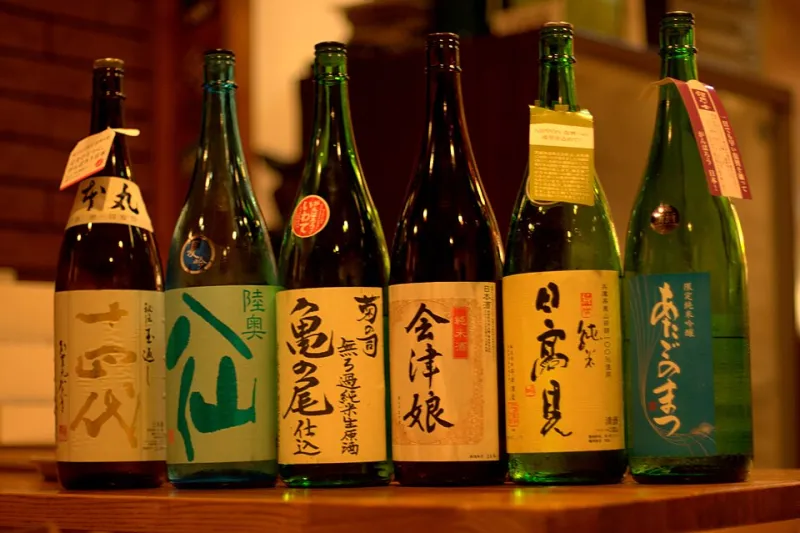
Photo: koutalou, CC BY 2.0, via Wikimedia Commons
Sake has been brewed for over a thousand years, and Americans have been drinking it in meaningful numbers for about forty. In that time, a surprising amount of folklore has calcified into "common knowledge" — some of it wrong, some of it half-true, all of it worth examining. Here are five misconceptions that survive even among regular drinkers.
Myth 1: Sake Is Meant to Be Served Hot
Cold sake was a novelty; hot sake is the default — or so American restaurant menus would have you believe. Historically, warming was a practical response to lower-refinement sake in colder eras, and heat does mask harshness in cheap bottles. But the truth runs the other direction: premium sake, with its delicate ginjo aromatics, is generally best served cool or at room temperature. Warming is a legitimate choice, not a requirement — and with a fine bottle, it's usually a mistake.
Myth 2: Expensive Means Better
Price in sake tracks largely with rice polishing ratio — how much of each grain has been milled away. A daiginjo with rice polished to 35% demands enormous labor, and its price reflects that. But polishing is a style, not a grade of quality. Rich, savory junmai made with a high polishing ratio can outperform a technically elaborate daiginjo at the table, particularly with food. Japanese brewers themselves often drink humble junmai at the end of a long day. The price tag tells you about process, not pleasure.
Myth 3: Sake and Shochu Are Basically the Same Thing
They are not, and the confusion matters. Sake is brewed: rice starch is converted to sugar by koji mold and fermented by yeast, in a process unique to Japan where starch and fermentation happen simultaneously in the same tank. Shochu is distilled — closer kin to vodka or whisky than to sake — and typically lands around 25% ABV. One is a fermented beverage with a short shelf life; the other is a spirit that keeps indefinitely. Conflating them is like confusing beer with bourbon.
Myth 4: Sake Is Rice Wine
The word "wine" undersells the craft. Grape wine ferments sugar that already exists in the fruit. Sake's raw material is starch, which must first be enzymatically converted — a step more akin to beer brewing. But sake also uses a parallel multiple fermentation (sugar production and alcohol fermentation occurring at once), which beer does not, and reaches 15–20% ABV naturally, more than double beer. Sake is, in truth, its own category. The industry term — nihonshu — simply means "Japanese sake."
Myth 5: Sake Keeps Like Wine
This one cuts the other way: people treat open bottles of sake with wine-like patience, and the sake suffers for it. Pasteurized sake holds longer than most expect, but unpasteurized namazake degrades within weeks even refrigerated. Once opened, most sake begins losing its vibrancy within days. Buy small bottles, keep them cold, and finish them within a week or two. Freshness isn't a preference in sake — it's the design.
Why the Myths Persist
Each of these misconceptions began as a reasonable inference from incomplete information — heat for cold nights, price for quality, "rice wine" for an unfamiliar process. They persist because sake in America has too often been introduced without context.
The correction is simple: taste with attention, ask questions, and let the brewing logic — not the folklore — shape what you pour.