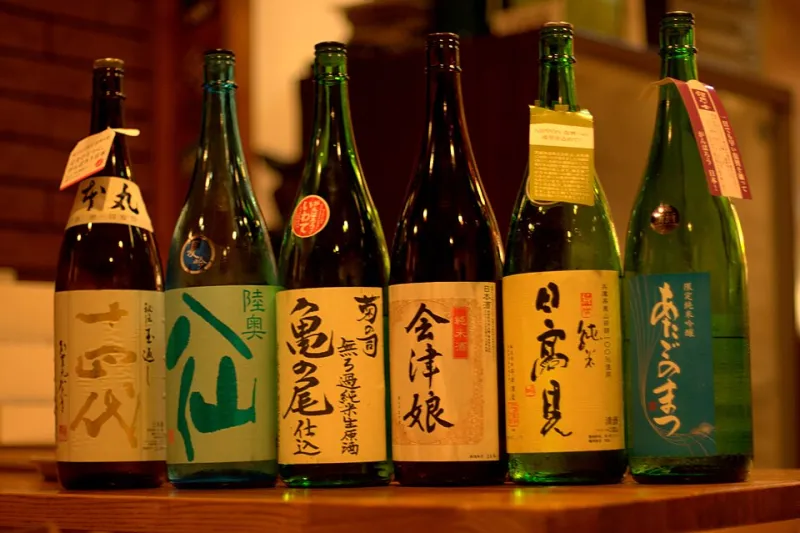
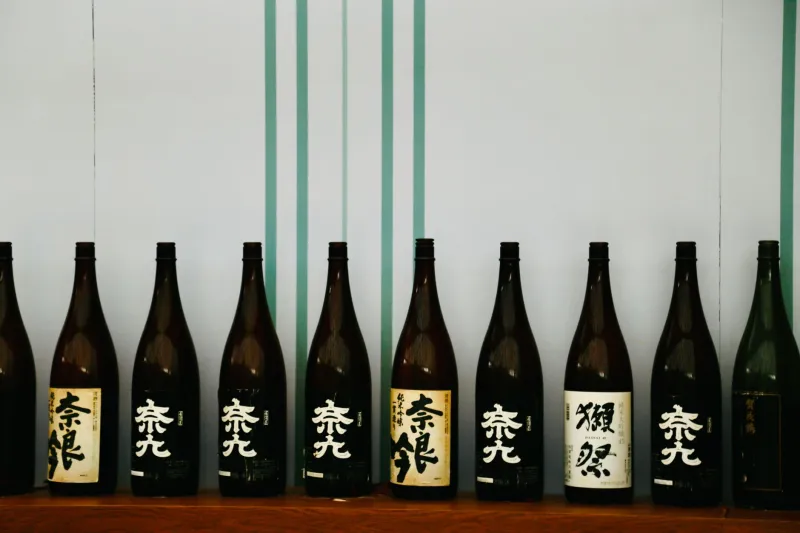
The Umami Behind the Bar: Why America's Best Cocktails Now Start With Sake
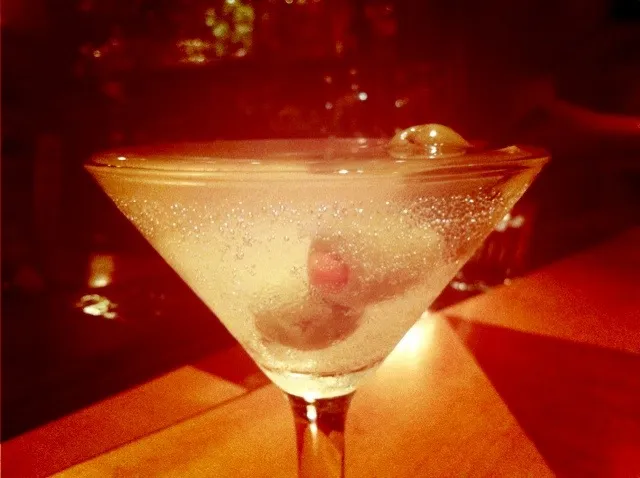
Photo: dana robinson from los angeles, ca, usa, CC BY-SA 2.0, via Wikimedia Commons
Order a martini at a serious cocktail bar in New York, Portland, or Austin these days, and there's a decent chance the base spirit isn't gin. It might be sake.
The movement is still under the radar for most drinkers, but behind American bars, sake has quietly become one of the most versatile tools in the well. Understanding why requires looking past sake's image as an izakaya pour and into its chemistry.
A Spirit-Like Body Without the Burn
Sake sits at roughly 15–16% ABV — stronger than wine, gentler than liquor — and carries almost none of the aggressive acidity or tannin that constrains other bases. For a bartender, that means a sake cocktail can be long, light, and drinkable without tasting watered down.
The koji-driven fermentation also produces a spectrum of amino acids that wine simply doesn't have. That's the source of sake's signature umami: a savory depth that gives a cocktail weight and coherence even at low proof. A sake martini doesn't need vermouth to taste complete, because the sake brings its own roundness.
The Drinks Driving the Trend
A few formats keep appearing on menus from coast to coast:
The sake martini. Chilled junmai ginjo, a whisper of dry vermouth or none at all, a lemon twist. Silky, savory, dangerously smooth.
Sake highballs. A Japanese tradition that has migrated stateside: sake over ice with soda water and a citrus peel. Bars in Los Angeles have embraced it as the ideal low-alcohol session drink.
Sake in place of dry vermouth. A Negroni or Manhattan with sake stepping in for fortified wine gains subtlety and loses harshness.
Fruit-forward spritzes. Sake's neutral-but-round character lets ripe peach, yuzu, or strawberry carry the drink without cloying sweetness.
What Home Bartenders Can Learn
First: choose the sake like an ingredient, not a trophy. A $12 junmai does more work in a mixed drink than a $60 daiginjo, whose delicacy gets buried. Save the fancy bottles for sipping.
Second: keep it cold and use it fast. Once opened, sake dulls within a week or two — a real consideration when a cocktail program depends on consistency. Buy smaller bottles, finish them, buy more.
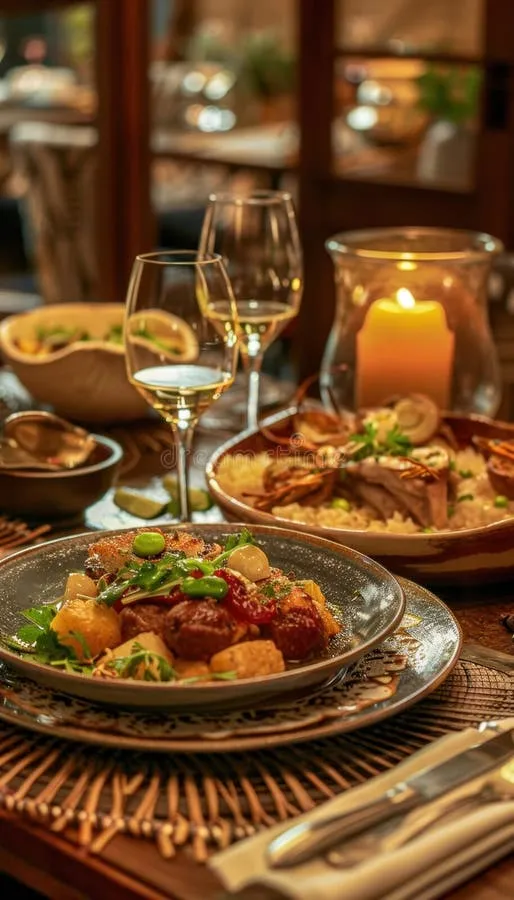
Third: lean into umami rather than fighting it. Sake loves savory companions — a sake martini alongside oysters, a sake spritz with prosciutto crostini. The pairing logic of the izakaya translates directly to the cocktail hour.
Why It Matters
Sake's arrival behind the American bar does something the specialty shop never could: it removes ceremony. A drinker who would never order a glass of nihonshu on its own will happily order a sake martini — and in doing so, meets the category on approachable terms.
For a beverage that has spent decades being introduced to Americans with too much reverence and too little context, that may be the most effective ambassador yet. The cocktail isn't a dilution of sake tradition. It's a new door into it.