Same Sake, Different World: Why the Environment Around Your Glass Changes Everything
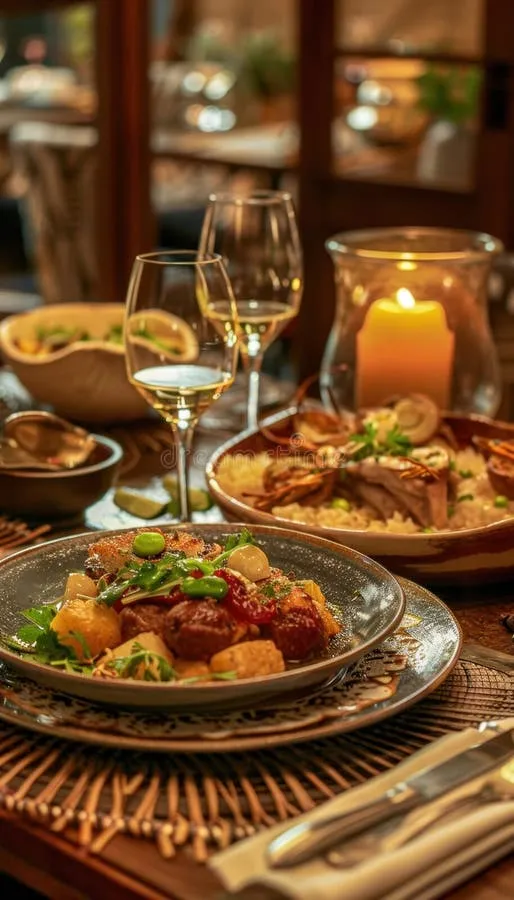
Photo: sake glass poured at home dinner table ambient lighting, via thumbs.dreamstime.com
It is a moment many sake enthusiasts encounter sooner or later. A bottle arrives at the table during dinner—perhaps at a Japanese restaurant in New York or Chicago where the staff clearly knows what they are doing—and the experience is genuinely transporting. The sake is silky, aromatic, precise. You note the label, purchase a bottle on the way home, and pour it a few days later with quiet anticipation. What meets you in the glass is recognizable, perhaps even pleasant, but noticeably diminished. Flatter. Less alive.
The sake has not been tampered with. The bottle was stored correctly. So what happened?
The answer is not in the liquid. It is in everything surrounding it.
Sake Is Unusually Sensitive to Its Surroundings
Most fermented beverages carry enough structural complexity—tannins, acidity, carbonation—to assert themselves across a range of environments. Sake does not work that way. Brewed without tannins and typically low in acidity, it occupies a more delicate sensory register. Its aromatics are subtle and volatile. Its texture, that quality sometimes described as nigori-like smoothness or an almost silken weight, is easily disrupted by competing stimuli. Where a bold red wine might hold its own against a noisy, brightly lit room, sake tends to recede.
This is not a flaw. It is a feature of the craft. The finest sake is designed to reward attentiveness. But it also means that the conditions under which you drink it carry more weight than most people realize.
The Role of Glassware
Restaurants that take sake seriously invest in appropriate vessels. Whether that means a traditional ochoko, a ceramic tokkuri, or a tulip-shaped wine glass chosen to concentrate aromatics, the choice of glassware is deliberate. At home, the default is often whatever happens to be clean—a wide-mouthed water glass, a stemless wine glass designed for Chardonnay, or occasionally a coffee mug in a pinch.
Glassware shapes the aromatic experience before a drop reaches your lips. A vessel with a narrow opening channels volatile compounds toward the nose; a wide-mouthed glass disperses them. For a ginjo or daiginjo, where the fruity, floral esters produced during fermentation are a central part of the appeal, this distinction is significant. Investing in a few narrow-mouthed glasses—not necessarily expensive, but intentionally chosen—can restore much of what seemed lost from the restaurant experience.
Temperature matters here as well. A glass that has been sitting on a room-temperature shelf will warm a chilled sake faster than one that has been briefly rinsed with cold water. These are small calibrations, but sake rewards them.
Ambient Aroma and the Competition for Attention
Consider what the air in your kitchen actually smells like at any given moment. Cooking oils, dish soap, a candle, last night's takeout containers in the recycling bin, a pet. None of these scents are necessarily unpleasant, but they are present, and they compete directly with the delicate aromatic profile of a well-made sake.
Professional sake service environments are rarely neutral, but they are curated. A good Japanese restaurant manages ambient scent almost instinctively—the ventilation is designed to clear kitchen odors, the space is not aggressively perfumed, and the table itself is clean and unscented. Recreating that neutrality at home requires some deliberate effort. Pouring sake in a room that has been aired out, away from the kitchen and its residual smells, can make a measurable difference in how the aromatics land.
This is also worth considering when you choose where to sit. A sake opened near a window on a dry afternoon in October will present differently than the same sake poured in a humid kitchen in August. Sake's aromatic volatility responds to humidity and airflow in ways that are easy to overlook.
Lighting, Setting, and the Psychology of Pleasure
There is a less quantifiable force at work as well, and it would be a disservice to ignore it. The psychological context of a drinking experience shapes perception in ways that have been documented repeatedly in sensory research. People consistently rate the same food and drink as more pleasurable when consumed in environments associated with care, expertise, and occasion.
At a restaurant with a thoughtful sake program, you are surrounded by signals of credibility. The staff knows what they are serving. The lighting is likely warm and low. The occasion has a social dimension—conversation, a meal, perhaps a celebration. All of this primes the sensory system toward receptivity.
At home, the default mode is often distraction. A phone on the table, background television, the ambient stress of daily life. None of these factors alter the chemistry of the sake, but they alter the chemistry of the drinker. Sake consumed while half-focused on something else is sake that will underperform.
This is not a counsel toward elaborate ritual. It is simply an observation that a few minutes of intentional setup—dimming the lights, silencing notifications, choosing a clean glass and a quiet corner—can shift the experience considerably.
Practical Steps for Closing the Gap
For those who want to bring the restaurant experience home rather than simply accept the difference, the following adjustments are worth making systematically.
Choose the right vessel. A narrow-mouthed glass, whether a purpose-designed sake glass or a white wine glass with a moderate taper, will serve most styles better than an open tumbler.
Control the temperature deliberately. Most premium sake benefits from being served between 45°F and 55°F. A brief stay in the refrigerator door rather than the back of the shelf will help. Avoid pouring from a bottle that has been sitting at room temperature for hours.
Neutralize the ambient environment. Pour sake in a room that is not actively being used for cooking. Avoid heavily scented candles or air fresheners in the vicinity. If possible, open a window briefly before serving to refresh the air.
Create a moment of intention. This sounds abstract, but it is practical. Set down whatever else you are doing. If you are sharing the sake with others, make the pour a brief focal point of the conversation. The act of paying attention is itself a form of preparation.
Revisit the same bottle across different conditions. Pour a small measure immediately after opening, then another an hour later. Try it chilled, then slightly warmer. This kind of methodical observation—the same approach that brewers use when evaluating their own work—builds genuine understanding of how a specific sake behaves.
The Broader Lesson
Sake's sensitivity to environment is ultimately a reflection of its nature as a craft product. It was made with precision, under controlled conditions, by people who understood exactly what they were coaxing out of rice and water and time. Drinking it well requires a corresponding degree of care—not reverence, not ceremony for its own sake, but a willingness to attend to the conditions that allow it to perform.
The restaurant did not have access to a different bottle. It had access to a different set of conditions. Most of those conditions are replicable at home. The gap between what you tasted there and what you tasted here is not a mystery. It is an invitation to pay closer attention.