A Sake Plan for the Thanksgiving Table: Pairing Without the Sermon
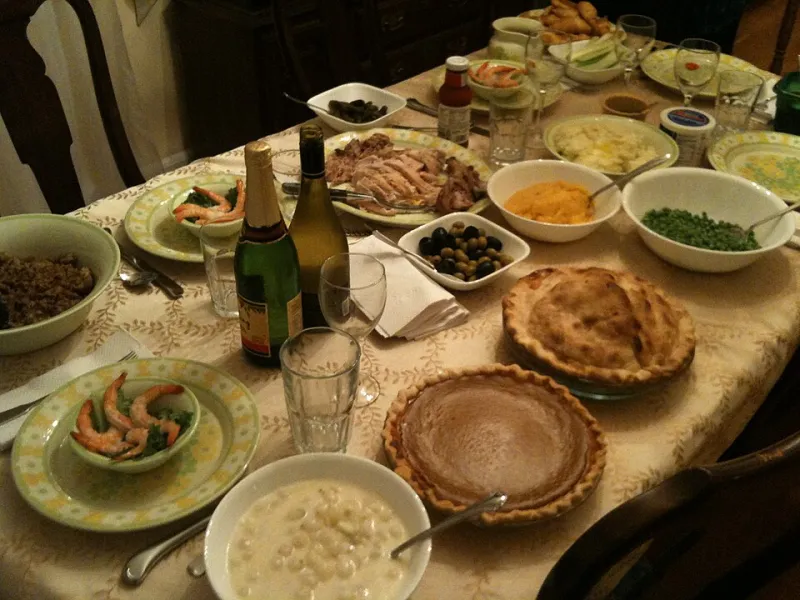
Photo: Paulo O, CC BY 2.0, via Wikimedia Commons
Thanksgiving 2026 will arrive with the usual pressures: a crowded table, a large bird, and a room full of people who have strong opinions about how everything should be done. Sake does not need to become another debate. It can be present at the table without being announced, explained, or defended. The goal is not to convert anyone. The goal is to give people a small, pleasant option alongside the food they already expect.
The Case for a Quiet Sake Station
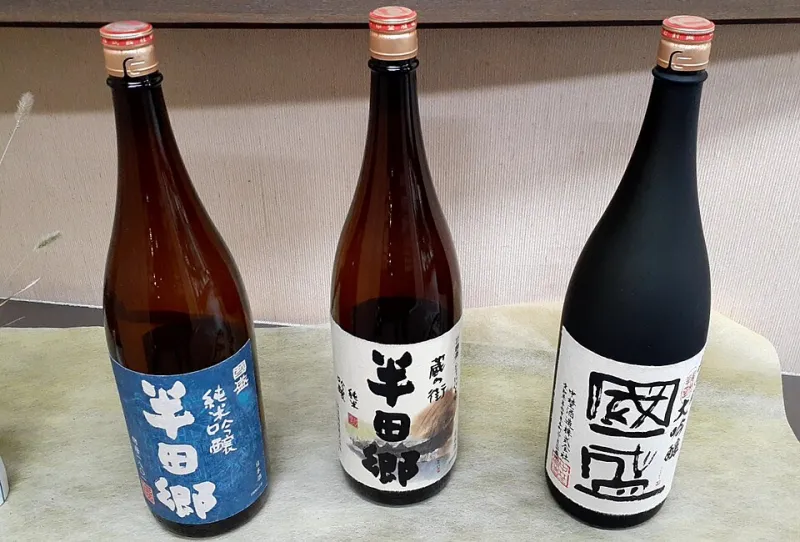
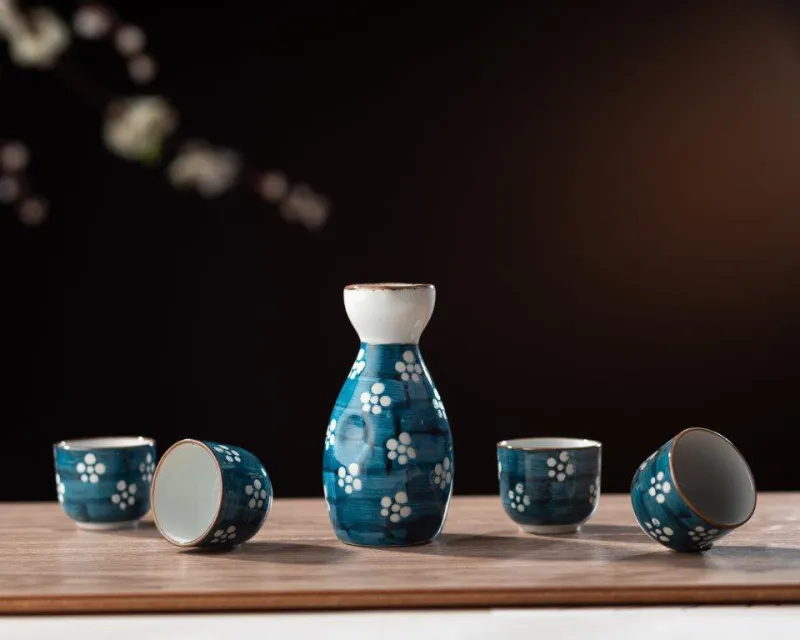
A sake station works better than a sake sermon. Set two bottles on a sideboard or counter away from the main serving line. Put out small glasses—two-ounce pours are enough—and a pitcher of water. Keep the bottles modest in number. One chilled bottle and one gently warmed bottle give guests a choice without asking them to understand a category.
Labels can stay visible, but they do not need a speech. If someone asks, answer briefly. If no one asks, let the bottles be part of the table. The less pressure attached to the sake, the more likely a skeptical relative is to try it.
Mapping the Table
Roast turkey is a broad target. The breast meat is delicate and benefits from a chilled junmai ginjo or ginjo with gentle fruit and acidity. Dark meat, with its richer flavor, can stand up to a warm junmai or honjozo with more ricey breadth. A single bottle can serve both if it is balanced, but two temperatures of the same sake can be more useful than two different bottles.
Stuffing is often the most sake-friendly dish on the table. The combination of bread, herbs, celery, and sausage has a savory depth that suits a kimoto or yamahai junmai. These styles tend to have more umami and acidity, and they show well when lightly warmed. The pairing does not need to be exact. The point is that the sake has enough texture to meet the stuffing rather than disappear behind it.
Cranberry sauce is the difficult guest. Its tartness and sweetness can make dry, highly aromatic sake seem thin or sharp. A junmai with higher acidity and a gentle sweetness is a safer choice. Small pours help here. Cranberry sauce is not a dish that demands a large glass of anything.
Sweet potatoes with brown sugar, butter, and pecans call for a richer sake. A junmai with some body, served slightly warm, can bridge the sweetness and the savory butter. A nigori, with its soft texture and mild sweetness, can also work, but it should be poured sparingly. Pie is the final test. Pumpkin pie and apple pie both carry spice and sweetness. A gently sweet junmai or a soft nigori in a small pour is more sensible than a bone-dry sake. The goal is harmony, not a perfect formula.
Serving Temperatures for a Crowded Table
Two temperatures are enough for Thanksgiving. Keep one bottle chilled to roughly 50 to 55 degrees Fahrenheit. Keep another gently warm, around 100 to 110 degrees Fahrenheit. A water bath is the simplest way to warm sake without damaging it. Do not microwave it. A thermometer is helpful but not mandatory; the feel of a warm bath and the taste of the sake will guide you.
Temperature also gives guests a way to participate without needing vocabulary. A person who finds the chilled sake too quiet may prefer the warm one. A person who finds the warm sake too strong may prefer it cold. The comparison is intuitive, and it keeps the conversation on the glass rather than on expertise.
Pouring for Skeptics Without a Lecture
Do not call it a pairing. Call it a taste. Offer one or two ounces with the turkey, or set the bottle near the stuffing and let people decide. Avoid hovering. Avoid correcting anyone who says it tastes like rice. Avoid turning the table into a seminar on polishing ratios.
It also helps to have a non-sake option available. Skeptical relatives are more willing to try something when they do not feel trapped by it. Keep the pours small, keep the tone light, and let the food do most of the work. If someone dislikes the sake, move on. Thanksgiving is not the occasion for a conversion story.
The practical case for sake at Thanksgiving is not that it replaces wine or beer. It is that a small, well-chosen pour can sit comfortably beside roast turkey, savory stuffing, and sweet potatoes without demanding attention. On a table full of strong opinions, that quiet flexibility is a virtue.