Verified by Followers, Not by Fermentation: How to Judge Sake Authority in the Digital Age

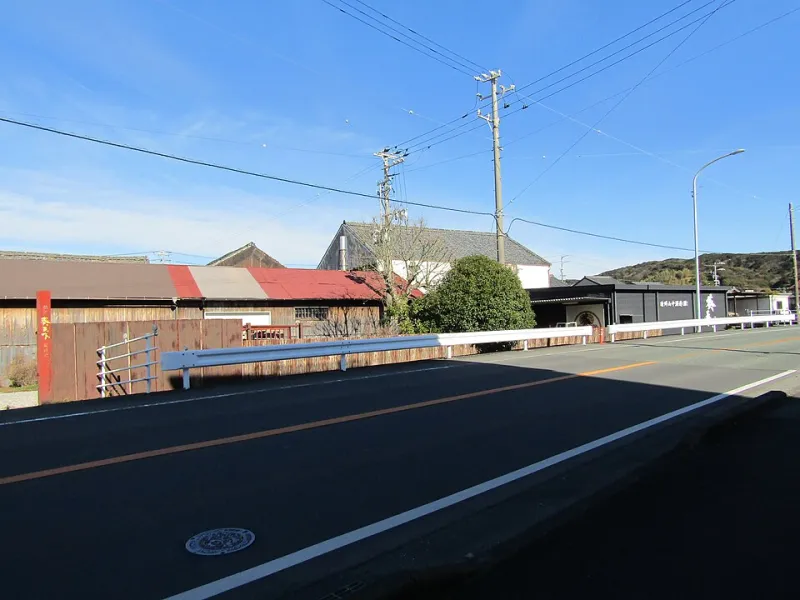
Photo: Dennis Sylvester Hurd, Public domain, via Wikimedia Commons
The photograph is impeccable. A ceramic ochoko rests against a weathered wooden surface, a soft pour of pale liquid catching afternoon light. The caption names the prefecture, the rice varietal, the polishing ratio, and closes with a tasting note referencing "white peach, wet stone, and a whisper of umami." The account has eighty thousand followers. The comments are enthusiastic. But here is the question that rarely gets asked: does the person behind that caption actually understand what produced those flavors—and would they recognize the difference between a well-constructed description and an accurate one?
In the United States, sake's growing audience is being educated largely through digital channels. That is not inherently a problem. Online communities have introduced thousands of Americans to a beverage they might never have encountered through traditional retail or restaurant exposure. The issue is more subtle: the platforms that reward engagement—Instagram, TikTok, Reddit, YouTube—do not naturally reward depth. They reward presentation, consistency of posting, and the ability to make a subject feel accessible. Those qualities can coexist with genuine expertise. They can also exist entirely without it.
The Architecture of Online Sake Authority
Understanding how digital sake expertise is constructed requires a basic literacy about how social platforms function. Accounts grow through visibility, not vetting. A sake personality who posts daily, uses trending audio, and frames every bottle as a revelation will accumulate followers faster than a kurabito—a brewery worker—who posts sporadically about koji propagation. Follower counts, in this sense, measure consistency and charisma, not competence.
This does not mean large accounts are unreliable. Some of the most knowledgeable voices in the English-language sake space have significant online followings because they have worked diligently to build both. But the correlation is weak enough that follower count should never serve as a primary signal of credibility. A newer account with five thousand followers and a background in fermentation science may offer more accurate technical guidance than an established influencer who learned everything from other influencers.
What Genuine Brewing Knowledge Actually Looks Like
One of the clearest ways to evaluate a sake voice online is to examine how they discuss the brewing process itself. Sake production is genuinely complex—a multi-stage fermentation involving koji mold cultivation, yeast starter preparation, and the simultaneous saccharification and fermentation that distinguishes sake from virtually every other fermented beverage in the world. A credible voice does not need to be a brewer, but they should demonstrate some familiarity with the mechanisms behind what they taste.
Watch for how a creator or writer handles nuance. Do they explain why a ginjo-style sake tends toward fruity aromatics, connecting it to specific yeast strains and low-temperature fermentation, or do they simply observe that it smells like fruit? Do they acknowledge regional variation in water chemistry and its downstream effects on fermentation character, or do they rely on geography as a vague shorthand for flavor? The difference between describing a result and understanding its cause is often the clearest dividing line between genuine knowledge and performed expertise.
Also worth noting: credible sources are comfortable with uncertainty. Sake is not a subject that lends itself to absolute pronouncements. A writer or presenter who confidently declares definitive rankings, universally "correct" temperature guidelines, or firm rules about food pairing without acknowledging context or exception is more likely performing authority than exercising it.
The Vocabulary Problem
Sake has developed a rich technical lexicon—nihonshu-do, seimai-buai, moromi, hiire—and fluency in this vocabulary can create a convincing impression of expertise. But terminology is learnable in a weekend. Someone can memorize the definition of "muroka" (unfiltered) or "genshu" (undiluted) without understanding how those production choices interact with yeast selection, water profile, or seasonal temperature to produce the final liquid in the bottle.
When evaluating an online source, pay attention to whether technical terms are used to explain or to impress. A knowledgeable writer uses specialized vocabulary because it communicates something precise that plain language cannot. A performative one uses it because it signals membership in a community and creates distance from casual observers. The test is simple: does the terminology illuminate, or does it decorate?
Credentials, Certifications, and Their Limits
Several formal certification pathways exist for sake professionals, including programs offered by the Sake Education Council and the Japanese Sake and Shochu Makers Association. These credentials are meaningful and represent genuine study. An online voice who holds a recognized certification has demonstrated a baseline of structured knowledge that matters.
However, certifications also have limits. They test knowledge at a point in time, and they test the knowledge that certification bodies have decided to include in their curricula. A certified sake professional who stopped engaging with the subject after passing an exam may be less current than an uncertified enthusiast who has spent years visiting breweries, corresponding with toji (master brewers), and working alongside importers. Credentials are a reasonable starting point for evaluation, not a final verdict.
Practical Signals Worth Watching
For readers navigating the digital sake landscape, a few practical habits can sharpen evaluation considerably.
First, follow the sources behind the source. Does a given creator cite importers, brewers, or researchers? Do they reference primary materials—brewery documentation, academic work on fermentation science, interviews with production staff—or do they cite other online personalities in a closed loop of mutual validation?
Second, look for evidence of genuine access. Someone who has visited Japanese breweries, attended trade tastings, or worked in sake retail or restaurant service has exposure that meaningfully informs their perspective. This does not require extensive travel or industry employment, but some demonstrated engagement with the beverage beyond purchasing bottles is worth noting.
Third, evaluate how a source handles correction. Online communities sometimes catch errors—a misattributed brewery, an incorrect fermentation detail, a tasting note that conflicts with documented production methods. How a creator or writer responds to substantive correction reveals quite a lot about whether their interest is in accuracy or in reputation management.
The Value of Honest Limitation
Perhaps the most reliable marker of a trustworthy sake voice is a willingness to define the edges of their own knowledge. Sake is a subject with genuine depth—centuries of evolving tradition, regional specificity, and ongoing innovation from breweries experimenting with heirloom rice strains, alternative fermentation vessels, and unconventional aging approaches. No single person commands the full picture.
A writer or creator who regularly acknowledges what they do not know, who defers to brewers on production questions and to researchers on chemistry, and who treats their own tasting notes as one perspective rather than definitive judgment is modeling exactly the kind of intellectual honesty that makes a source worth returning to.
The digital sake space is not without its genuinely excellent guides. But finding them requires the same critical attention that sake itself rewards: patience, a willingness to look past surface impressions, and an understanding that the most compelling presentation is not always the most accurate one.