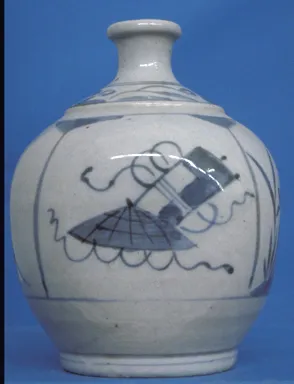
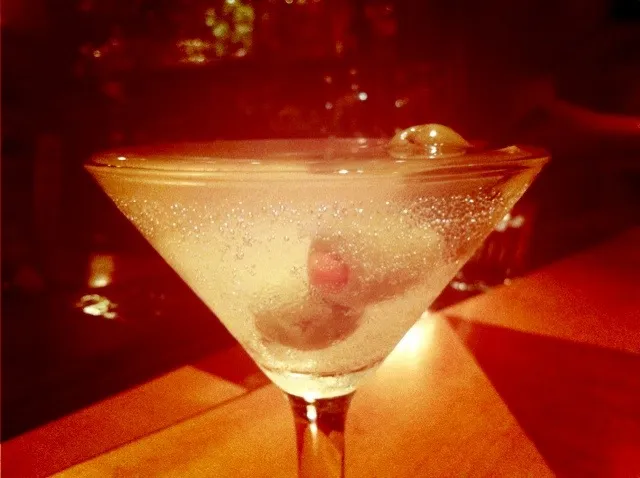
Smell First, Name Later: A Kitchen-Table Guide to Sake Aroma
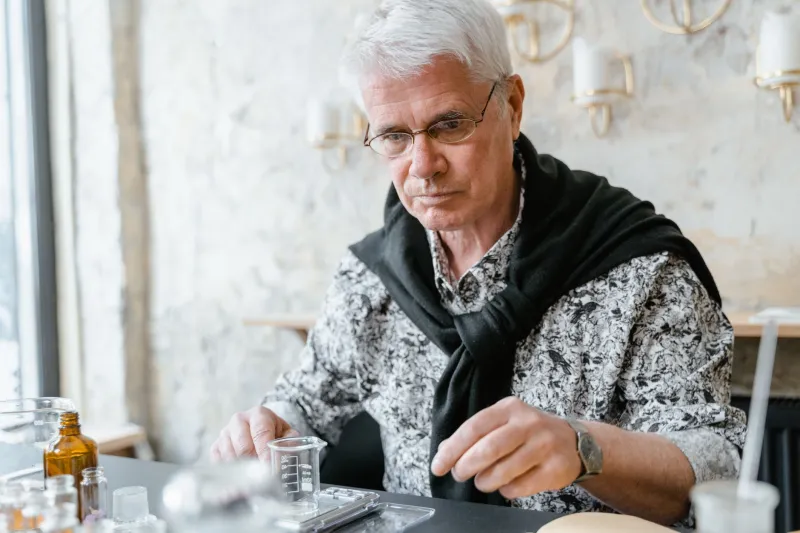
Sake aroma instruction often begins with a vocabulary list. Drinkers are told to look for melon, banana, apple, rice, florals, and a long register of terms that seem to belong to wine tasting. The list is not wrong. Sake can indeed suggest those things. But for a beginner, the list can become a barrier. The first task is not to name what is in the glass. The first task is to notice that there is something to notice.
Wine language can be useful, but it can also mislead. Sake is brewed from rice, not grapes, and its aromatic compounds are shaped by koji, yeast, water, and fermentation temperature. Borrowing wine words wholesale can make sake sound like a variation on wine rather than a distinct drink. A more useful approach is to begin with the kitchen.
Start With What Is Already in Your Kitchen
Before buying an aroma kit or memorizing a tasting wheel, use the references you already own. Warm short-grain rice. Rice pudding. Banana bread. Pear. Honeydew melon. Plain yogurt. Bread dough. Mushroom. Toasted nuts. Lemon peel. Cream. Graham cracker. These are not official descriptors. They are memory anchors.
The point is not to force a match. If a sake smells like warm rice and nothing else, that is a valid observation. If it smells like banana bread, say so. If it reminds you of the inside of a bakery, that is useful too. The goal is to build a private library of associations that can be refined over time.
A Simple Smelling Exercise
Choose one bottle and pour about one ounce into two small glasses. Place one glass in the refrigerator for fifteen minutes and leave the other at room temperature. When both are ready, smell the chilled sake first. Keep your nose just above the rim and take short, gentle sniffs rather than one deep inhalation. Then smell the room-temperature sake in the same way.
Write down three associations for each glass. Do not judge them. Do not try to sound professional. If the chilled sake seems quiet and the warmer one smells like rice pudding, that is enough. Wait ten minutes and smell both again. Aroma changes as the liquid warms and as the glass sits.
The exercise is deliberately modest. It does not require a tasting certificate, a special set of glasses, or a controlled room. It requires attention. Over time, the drinker begins to notice patterns: some sake smells ricey and clean, some smells fruity, some smells savory or dairy-like, and some seems almost floral. Those patterns are more valuable than a memorized list because they are the drinker’s own.
How Temperature Changes the Conversation
Temperature is not a volume knob that makes aroma simply louder or softer. It changes which impressions come forward. A chilled sake may seem closed or restrained; as it warms, fruity esters can become more apparent. Warm sake can reveal rice and umami, but it can also amplify alcohol. Neither temperature is more correct. They are different views of the same bottle.
For a beginner, the practical lesson is to try the same sake at two temperatures before deciding whether it is expressive or muted. A sake that seems plain when cold may open up at room temperature. A sake that seems sharp when warm may be cleaner when chilled. The drinker does not need a thermometer at first. Refrigerator temperature, room temperature, and a gentle water bath are enough to begin.
Glassware Is a Volume Control, Not a Status Symbol
A tulip-shaped glass concentrates aroma toward the nose. A tumbler leaves more of the aroma open to the room. A small ceramic cup narrows the opening and can make the sake seem more contained. A wine glass, if it is clean and unscented, is perfectly serviceable. The glass does not need to be Japanese or expensive. It needs to be free of soap residue and strong odors.
Hands also matter. A stemmed glass keeps the warmth of the hand away from the liquid; a tumbler or ceramic cup warms it. That difference can be useful. If a drinker wants to see how a sake changes as it warms, holding the glass is a simple method. If the goal is to keep a delicate sake cool, a stem is helpful.
Build a Memory Library, Not a Vocabulary List
Aroma vocabulary has its place. It allows drinkers to compare notes and communicate with servers and producers. But vocabulary should serve perception, not replace it. A drinker who can recognize banana bread, yogurt, mushroom, and warm rice has a working aroma memory even without knowing the chemical names behind those impressions.
That memory becomes more useful with repetition. Taste the same style several times. Try a junmai and a ginjo side by side. Notice how the aroma changes when the sake is warm. Over time, the drinker stops asking what the correct word is and starts asking what the sake actually reminds them of. That is the beginning of real tasting.