Same River, Different Worlds: Why Geography Alone Cannot Explain What's in Your Sake Glass
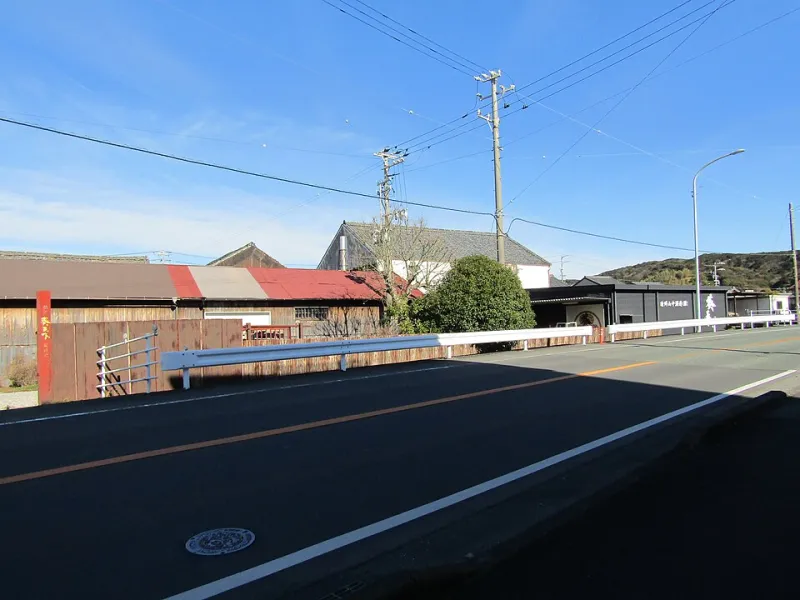
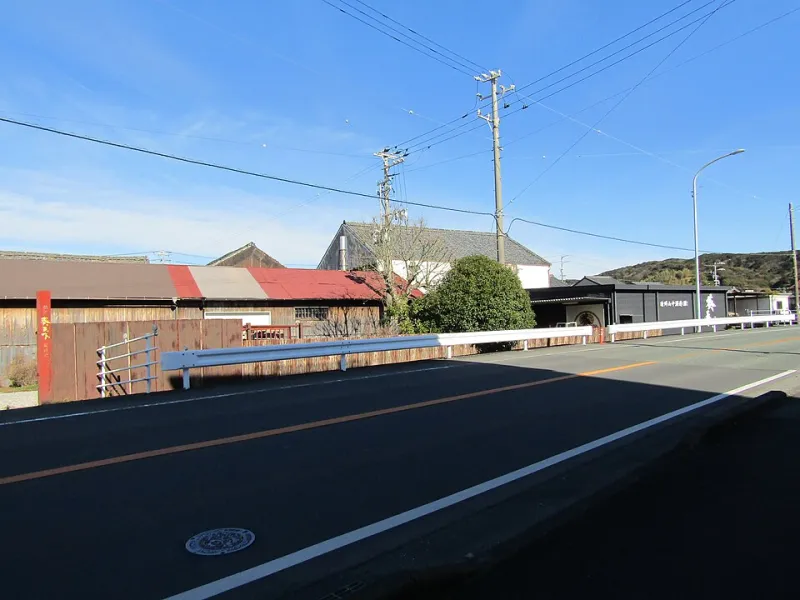
Photo: Halowand, CC BY 4.0, via Wikimedia Commons
For American wine drinkers, geography functions as a kind of promise. A bottle labeled Napa Valley or Willamette Valley arrives carrying a set of expectations about flavor, weight, and character — expectations built on the reasonable assumption that the land speaks through the wine. This framework, borrowed from French viticulture and embedded deeply in how the United States has come to understand fine beverages, is intuitive, romantic, and, when applied to sake, almost entirely insufficient.
Consider two breweries operating within the same river valley in Niigata Prefecture — drawing water from a shared watershed, growing rice under the same seasonal rhythms, enduring identical winters. Pour their flagship junmai daiginjo side by side, and you may find yourself convinced that one was made in a coastal fishing village and the other deep in the mountains. The gap in flavor, aroma, and texture between neighboring producers can exceed the difference between sake from Niigata and sake from Hiroshima, two regions separated by hundreds of miles and a fundamentally different brewing tradition. Geography, in sake, is only the beginning of the conversation.
The Limits of Place
Terroir, as Western drinkers understand it, rests on the idea that soil composition, elevation, rainfall, and microclimate transfer their character directly into the finished product. Grapes absorb minerals through their roots. Coastal fog delays ripening in ways that shape acidity. The land, over time, asserts itself.
Sake rice does grow in the ground, and the water used in brewing does carry the mineral signature of its source. These factors are real and meaningful. Soft water, common in western Japan, tends to yield sake with a gentler, more delicate profile. The hard water of Nada, in Hyogo Prefecture, historically produced a drier, more assertive style. These are genuine regional tendencies, and they are worth knowing.
But rice, unlike grapes, is processed so extensively before it ever touches water that the direct transfer of soil character is largely interrupted. Milling removes the outer layers of the grain. Steaming transforms its structure. The koji mold then breaks down starches into fermentable sugars in a process that introduces an entirely new biological layer of influence. By the time fermentation begins, the rice is already several transformations removed from the field where it grew.
What remains — and what ultimately defines the sake — is a dense accumulation of human choices.
The Brewer as Primary Variable
If two neighboring breweries can produce sake that tastes like different countries, the explanation lies not in the river they share but in the decisions their brewers have made across decades of practice.
Rice variety selection is one of the most consequential of those decisions. Yamada Nishiki, grown in the highlands of Hyogo, is widely considered the premier sake rice in Japan, prized for its large grain size and the clean, elegant fermentation it supports. But a brewer who prefers Omachi, an ancient variety with an earthier, more complex personality, or who works with a regional heirloom strain specific to their prefecture, will produce something categorically different even if the two breweries share a water source and a postal code.
Milling ratio — how aggressively the outer layers of the rice grain are removed before brewing — introduces another dramatic variable. A brewery committed to junmai daiginjo production, milling rice to 50 percent of its original size or below, is pursuing a style defined by aromatic delicacy and structural refinement. A neighboring brewery that favors less-milled junmai, retaining more of the grain's outer proteins and fats, may be deliberately seeking a richer, more savory sake with a heavier body. These are not minor stylistic adjustments. They represent fundamentally different conceptions of what sake should be.
Yeast selection compounds the divergence further. As explored in previous coverage on this site, yeast strains are among the most powerful determinants of a sake's aromatic character. The Brewers Association of Japan maintains a library of numbered yeast strains, each with distinct tendencies — some emphasizing fruity, floral esters, others producing more neutral or earthy profiles. A brewer who cultivates their own house yeast over generations is working with a biological entity shaped by the specific environment of their brewery, a living variable that no neighboring producer can replicate simply by sharing the same watershed.
Philosophy as Flavor
Beyond the technical variables lies something harder to quantify but equally formative: the brewing philosophy that a toji, or head brewer, brings to their work.
Some breweries in Japan operate under a strict interpretation of traditional methods, resisting modern temperature-controlled fermentation tanks in favor of seasonal brewing that follows the natural rhythm of cold winters. Others embrace contemporary techniques that offer greater precision and consistency. Some prioritize expressing a specific rice variety with minimal intervention; others treat the brewing process itself as the primary canvas for expression.
These are not simply production differences. They are statements of intent that manifest directly in the glass. A brewery devoted to what the Japanese call kimoto or yamahai fermentation — labor-intensive traditional methods that encourage wild lactic acid bacteria before primary fermentation begins — will produce sake with a depth and complexity that is simply absent from sake made using modern starter methods, even if both bottles share the same regional designation on their labels.
For American drinkers accustomed to using geography as a navigational shortcut, this can be disorienting. The label that says Niigata does not tell you whether you are holding something light and clean in the tanrei karakuchi tradition, or something rich and contemplative from a brewer who has deliberately pushed against that regional style. The geography is accurate. It is simply incomplete.
A New Framework for Exploration
None of this suggests that region is irrelevant. Water chemistry is real. Climate shapes rice character. Certain prefectures have cultivated recognizable stylistic tendencies over centuries. These are useful starting points, and learning to associate Fushimi with softness or Nada with assertiveness gives a new drinker a reasonable initial map.
But the more rewarding framework — and the one that more accurately reflects how sake is actually made — places the brewery and its people at the center. When exploring sake from an unfamiliar producer, the questions worth asking are less about where the brewery is located and more about who is brewing, what rice they have chosen, how they have prepared it, and what they believe sake should ultimately be.
This is, in a sense, a more demanding form of attention. It asks the drinker to engage with sake as the product of individual craft rather than collective geography. It resists the comfortable shorthand that regional labels provide. But it also opens a far more interesting landscape — one where two bottles from the same valley can taste like different countries, and where that distance is a testament not to the strangeness of the beverage, but to the depth of the human intention behind it.
The river, ultimately, is just the beginning. The brewer is the story.