Cracking the Code: What Every Number and Term on a Sake Label Actually Tells You
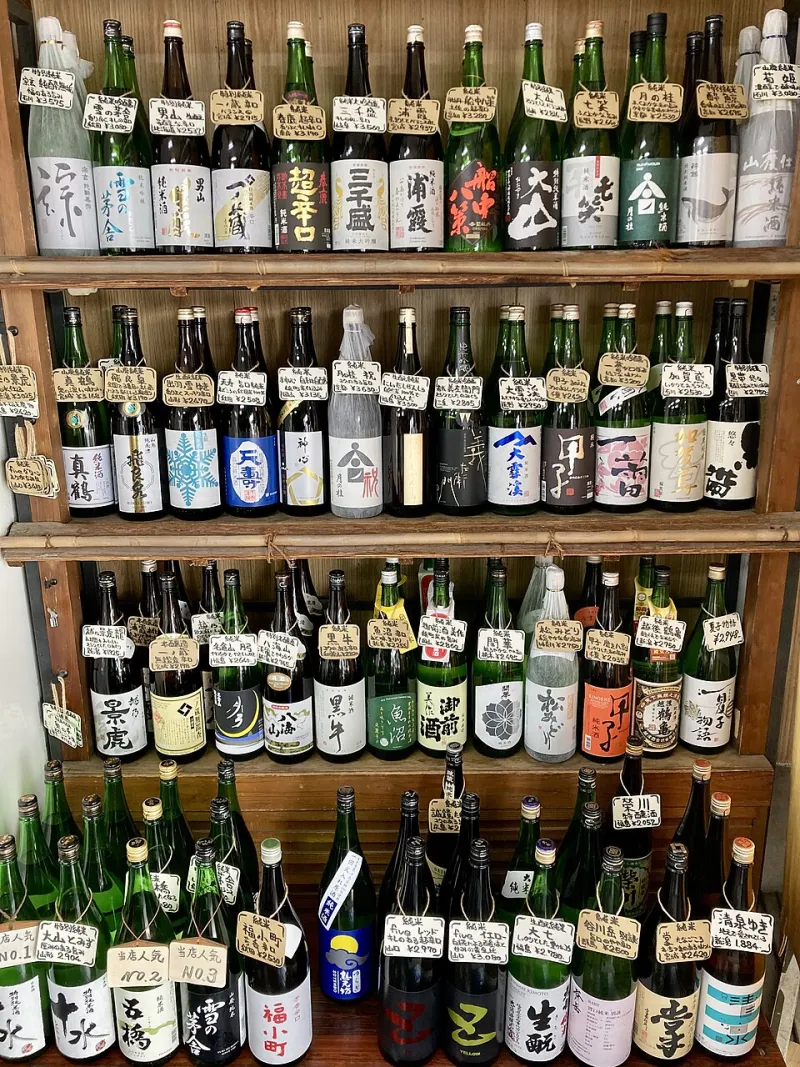
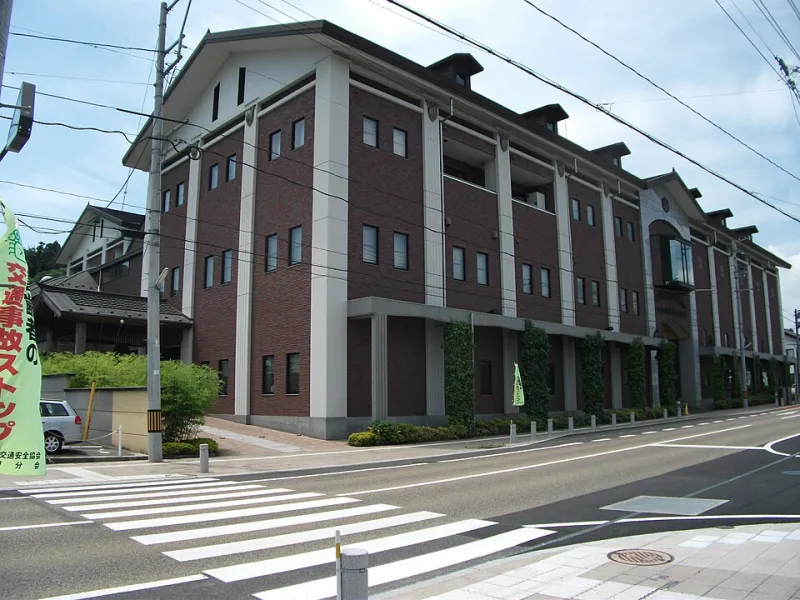
Photo: Dudva, CC BY-SA 4.0, via Wikimedia Commons
Standing in front of a sake shelf at a well-stocked American liquor store can feel genuinely disorienting. The labels are often beautiful — minimalist typography, traditional brushwork, elegant bottle shapes — but the information printed on them can be nearly impenetrable if you do not already know what you are looking at. Numbers appear without obvious context. Japanese terms arrive untranslated. Two bottles at the same price point can taste nothing alike, and the label offers no intuitive clue as to why.
This is not an accident of design. Sake labeling conventions evolved within a domestic Japanese market where consumers grew up with these categories as common knowledge. The terminology was never designed with an American buyer in mind. But once you understand what each element actually measures — and what it predicts about flavor — a sake label becomes one of the most useful tools you have for making confident purchasing decisions.
Here is what you need to know.
The Designation: Your First and Most Important Filter
Before any number on the label, the most critical piece of information is the sake's official designation — the category it belongs to under Japanese brewing law. These designations are determined by two factors: how much the rice has been milled, and whether any distilled alcohol has been added during brewing.
Daiginjo / Junmai Daiginjo — The rice has been milled to at least 50% of its original size (meaning 50% or more of the outer grain has been removed). Junmai daiginjo contains no added alcohol; daiginjo may include a small, carefully controlled addition. These are typically the most aromatic and delicate sakes, with floral and fruit-forward profiles. Expect elegance over power.
Ginjo / Junmai Ginjo — Milled to at least 60% remaining. Similar aromatic character to daiginjo, though generally with slightly more body and grain presence. A practical choice when you want premium character without premium pricing.
Honjozo — Milled to at least 70% remaining, with a small addition of distilled alcohol. Lighter and cleaner than junmai styles, often with a crisp, dry finish. Frequently underrated and excellent value.
Junmai — Pure rice sake with no minimum milling requirement (though most fall between 60–70% remaining). Tends toward fuller body, earthy or savory notes, and pronounced umami. The most versatile style for food pairing.
Futsushu — Table sake, produced without the milling or ingredient restrictions that govern the above categories. Quality varies enormously. Price is usually the most reliable guide here.
If the label includes the word junmai, the sake contains no added alcohol. If it does not, a small addition of distilled alcohol may be present — though it is worth noting that this addition, when done correctly, is a legitimate brewing tool rather than a shortcut.
Seimaibuai: The Polish Rate Percentage
Seimaibuai (精米歩合) refers to the percentage of the original rice grain that remains after milling. A seimaibuai of 60% means 40% of the outer grain has been polished away. A seimaibuai of 35% means 65% has been removed — an extraordinary degree of refinement.
The outer layers of a rice grain contain proteins and fats that contribute to heavier, earthier flavors. The inner core — the shinpaku — is primarily starch, which ferments more cleanly and contributes to lighter, more aromatic outcomes. More milling, in general, means more delicacy. Less milling means more body and grain character.
Practical takeaway: A lower seimaibuai number means more of the grain has been removed and typically indicates a lighter, more aromatic style. A higher seimaibuai number means less has been removed and often indicates fuller body and more savory depth.
Nihonshu-do: The Sake Meter Value (SMV)
The Sake Meter Value — abbreviated SMV on English-language labels and sometimes listed as nihonshu-do (日本酒度) — measures the relative density of sake compared to water. The scale runs from negative numbers (denser than water, indicating more residual sugar) to positive numbers (less dense, indicating drier character).
- SMV of +3 to +6: Dry to very dry. Clean finish, minimal sweetness.
- SMV of 0 to +2: Balanced, neither notably sweet nor notably dry.
- SMV of -1 to -3: Slightly sweet, soft on the palate.
- SMV below -4: Noticeably sweet, often rich in texture.
Important caveat: SMV does not tell the whole story. A sake with an SMV of +5 and high acidity can taste completely different from one with the same SMV and low acidity. The two numbers need to be read together.
Acidity (Sando)
Acidity in sake — measured as sando (酸度) — is expressed as a numeric value, typically ranging from about 1.0 to 2.5 on most commercial bottles, though some traditional kimoto and yamahai styles push higher.
Higher acidity creates a perception of dryness and structure even when residual sugar is present. Lower acidity produces a rounder, softer mouthfeel. When you combine SMV and acidity, you get a much more accurate picture:
- High SMV + High Acidity: Dry, crisp, structured — often described as karakuchi (辛口), the Japanese term for dry.
- High SMV + Low Acidity: Dry but soft and somewhat flat.
- Low SMV + High Acidity: Appears sweet on the nose but finishes with a lively, almost tart edge.
- Low SMV + Low Acidity: Gently sweet, round, and plush — often the most immediately approachable style for new drinkers.
Amino Acid Content (Aminosando)
Less commonly listed but occasionally present on labels, aminosando (アミノ酸度) measures the concentration of amino acids in the sake, which corresponds directly to umami depth and body. Higher aminosando values indicate a richer, more savory profile — common in junmai and traditional-method styles. Lower values suggest a cleaner, more neutral character.
If you see this figure on a label, a value above 1.5 generally signals a sake with noticeable savory depth. Below 1.0 suggests a lighter, more delicate expression.
Brewing Method Terminology
Several terms on sake labels describe the method by which the starter culture (shubo) was developed — a choice that fundamentally shapes flavor and structure.
Kimoto (生酛): A traditional method requiring labor-intensive manual blending of the starter mash. Produces sakes with pronounced acidity, earthy complexity, and excellent aging potential. Often described as rustic or wild.
Yamahai (山廃): A simplified version of the kimoto method that skips the manual blending step. Shares many of kimoto's characteristics — high acidity, rich body, savory depth — but often with slightly more approachable aromatics.
Sokujo (速醸): The modern method, now used for the vast majority of sake produced worldwide. Lactic acid is added directly to the starter rather than cultivated naturally. Results tend toward cleaner, more consistent flavor profiles.
If a label says kimoto or yamahai, you are looking at a sake with more complexity, more acidity, and more capacity to reward patience — both in terms of drinking with food and, often, cellaring.
Putting It Together: A Label in Practice
Imagine a bottle labeled Junmai Ginjo, seimaibuai 55%, SMV +4, acidity 1.6. Without tasting it, you can reasonably predict: a premium-category sake with moderate milling, leaning dry, with lively acidity that will make it feel structured and food-friendly. The junmai designation tells you no added alcohol is present, and the ginjo polish rate suggests aromatic delicacy. It is the kind of bottle that will perform well alongside grilled fish, mild cheeses, or lighter vegetable dishes.
That prediction may not be perfect — terroir, yeast strain, and the brewer's individual choices all introduce variables no label can fully capture. But it gives you a meaningful starting point, which is exactly what confident purchasing requires.
Sake labels reward the effort of learning their language. Once you understand what each figure measures, the shelf stops being a wall of mystery and becomes a conversation — one that begins before you ever open the bottle.