The Quietest Bottles in the Room: How Japan's Best Breweries Let the Sake Speak for Itself
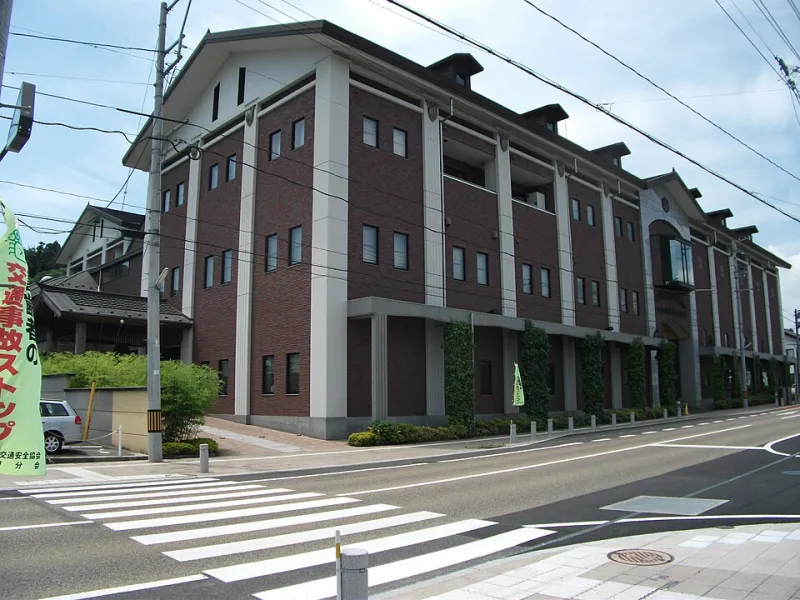
Photo: 20useruser19, CC BY-SA 4.0, via Wikimedia Commons
There is a particular kind of confidence that does not announce itself. In the world of Japanese sake, that confidence often takes the form of a plain white label, a modest price point, and a brewery that has been refining the same recipe for generations without ever hiring a publicist. For American drinkers accustomed to equating premium quality with premium presentation, this can be genuinely disorienting. But learning to read the silence—to recognize what a brewery chooses not to say—is one of the most rewarding skills a sake enthusiast can develop.
The Grade System and Its Discontents
Japanese sake is regulated by a classification system that, on the surface, appears to offer a reliable map of quality. Designations such as junmai daiginjo, ginjo, and honjozo are determined by measurable criteria: the degree to which rice has been milled, whether distilled alcohol has been added, and the proportion of rice, water, and koji used in fermentation. These are objective standards, and they matter.
What the grade system cannot capture, however, is intention. A brewery that mills its rice to daiginjo specifications and then rushes fermentation to meet export deadlines is technically producing a daiginjo. A brewery that mills its rice to honjozo standards but employs a master brewer with forty years of experience, sources its water from a centuries-old well, and allows fermentation to proceed at its own unhurried pace is also producing a honjozo. The label will not tell you which is which.
This is not a flaw unique to sake. Wine drinkers in the United States have long grappled with the gap between appellation prestige and actual quality. What distinguishes sake culture is the degree to which some of Japan's most accomplished producers have responded to this gap not by gaming the classification system upward, but by accepting—and even embracing—their place within it.
What 'Quiet Excellence' Actually Means
The Japanese concept of shokunin kishitsu—loosely translated as the spirit of the craftsperson—carries within it an implicit hierarchy of values. Mastery is demonstrated through the work itself, not through its presentation. A sushi chef who has spent a decade perfecting his rice technique does not need a Michelin star to validate what he already knows. Similarly, a toji (master brewer) whose junmai has been poured at the finest kaiseki restaurants in Kyoto for thirty years may feel no particular urgency to repackage it as something more conspicuous.
This orientation toward craft over visibility produces what might be called the sake smile: the quiet satisfaction of a brewer who knows that the drinker holding their bottle has done the work of finding it. There is a mutual respect implied in that transaction—a shared understanding that quality does not require a megaphone.
For American consumers, this represents a genuine cultural gap. The US market has historically rewarded legibility: clear signals of quality, recognizable branding, and price points that communicate value at a glance. These are not unreasonable preferences in a marketplace where trust must be established quickly. But they can also function as blinders, causing drinkers to overlook bottles that offer exceptional value precisely because they do not perform their own excellence.
How to Find What Isn't Advertising Itself
Developing an eye—and a palate—for understated quality requires a shift in methodology. A few practical approaches are worth considering.
Seek out kuramoto with long histories. Breweries that have been operating for a century or more have, by definition, survived market fluctuations, generational transitions, and shifting consumer tastes. Longevity is not a guarantee of quality, but it is evidence of sustained relevance. Many of these breweries produce their flagship junmai or honjozo at price points that would seem modest by American craft beverage standards—often in the $20 to $35 range—without any reduction in the care applied to their production.
Pay attention to what sommeliers and importers drink themselves. The sake professionals who import and distribute Japanese sake to the US market are, almost without exception, enthusiastic consumers of the category. When a knowledgeable importer mentions that they keep a particular tokubetsu junmai in their personal refrigerator, that is meaningful information. These are people who have tasted widely and have no commercial incentive to obscure their genuine preferences.
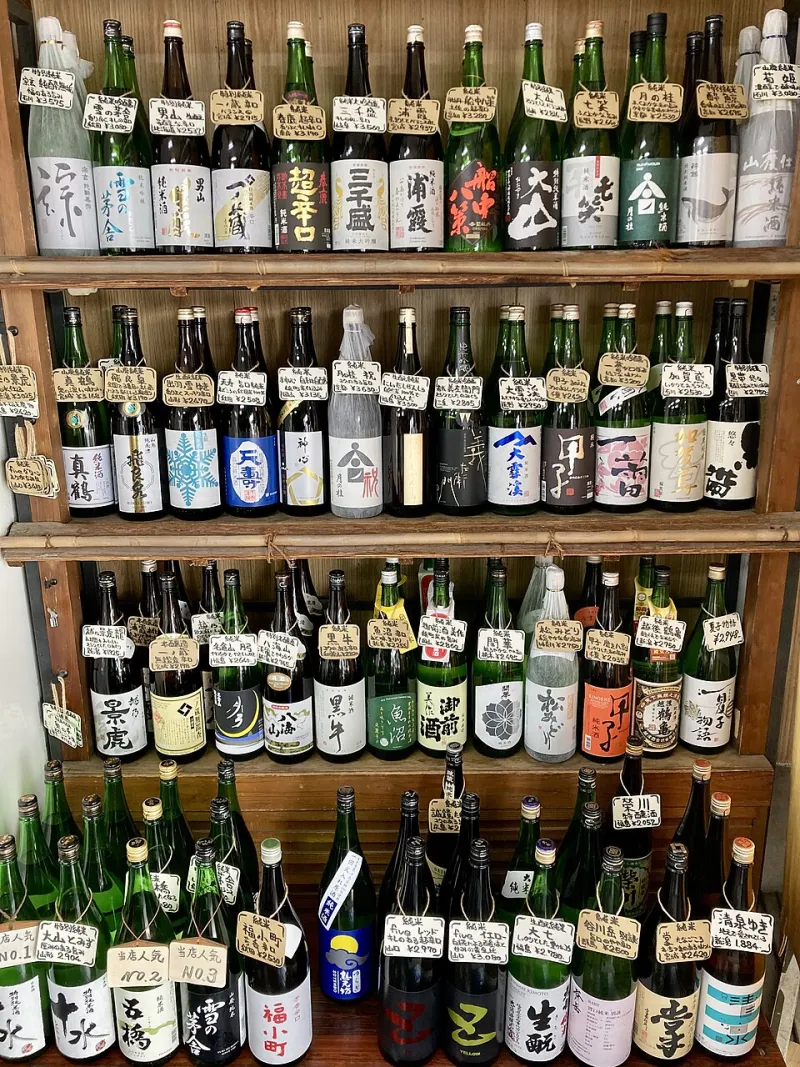
Learn to read the back label. Japanese sake imported to the United States is required to carry an English-language back label, and the information there—rice variety, milling rate, brewing method, the prefecture of origin—can tell a sophisticated drinker a great deal. A sake made from Yamada Nishiki rice milled to 60% and brewed using traditional kimoto methods is communicating something significant, regardless of how plain its front label may appear.
Treat price as one signal among many, not the primary one. In the sake category, the correlation between price and quality is real but imperfect. Production costs, import fees, distributor margins, and retailer markups all influence the final price of a bottle in ways that have nothing to do with what is inside it. A $28 junmai from a respected regional brewery may offer a more authentic and technically accomplished drinking experience than a $75 daiginjo from a producer whose primary market is duty-free airport retail.
The American Drinker's Opportunity
There is, in the current moment, a genuine opportunity for American sake enthusiasts. The US market for Japanese sake has expanded considerably over the past decade, and with that expansion has come a broader selection of bottles from smaller, less export-focused producers. These breweries are not chasing American consumers; they are making sake for their home market, and some of that sake is now available here.
Approaching these bottles with curiosity rather than expectation is the appropriate posture. The absence of an elaborate tasting note card, a celebrity endorsement, or a striking label design is not a warning sign. In many cases, it is the opposite.
The breweries that have earned the deepest respect within Japan's sake community are often those that have never needed to explain themselves to the outside world. Their reputation travels through the quiet channels of professional recommendation, regional loyalty, and the accumulated memory of drinkers who have returned to the same bottle, year after year, because it continues to deliver something genuine.
That is the sake smile: not a marketing strategy, but a philosophy. And for the American drinker willing to look past the packaging, it is one of the most rewarding discoveries the category has to offer.