The Living Engine Beneath Every Pour: How Yeast Defines the Soul of Sake
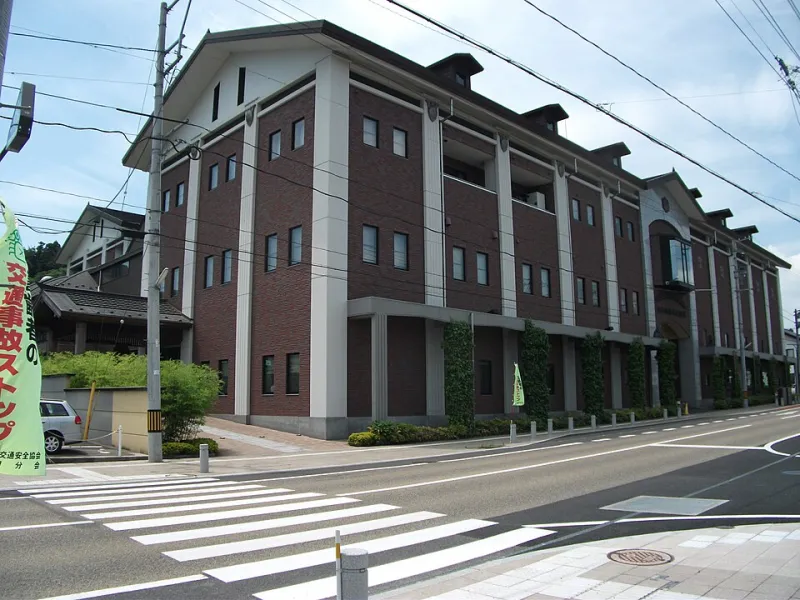
Photo: 妖精書士, CC0, via Wikimedia Commons
Ask an American wine enthusiast what shapes the character of their favorite bottle, and you will hear about grape varieties, vineyard elevation, and the particular composition of the soil beneath the vines. These are not wrong answers. But when the same question is posed to a Japanese sake brewer, the response often begins somewhere far less visible — inside a culture jar, a wooden starter vessel, or a carefully maintained refrigerated vault holding a microbial lineage that may be decades old.
Yeast is sake's invisible architect. And in the American market, where sake education has largely focused on grades, rice polishing ratios, and temperature service, the microbial dimension of brewing remains one of the least understood — and most rewarding — areas of knowledge for any serious enthusiast to explore.
What Yeast Actually Does in a Sake Fermentation
At its most fundamental level, yeast converts sugar into alcohol. But that description is so reductive as to be almost misleading. During sake's extended fermentation period — which can last anywhere from three to five weeks under carefully controlled cold temperatures — yeast produces a complex cascade of aromatic compounds alongside ethanol. These compounds, known as esters and higher alcohols, are the primary source of sake's aromatic personality.
The fruity, floral aromas that define many premium ginjo and daiginjo styles — the green apple, the fresh pear, the white peach — are not derived from the rice itself. They are metabolic byproducts of specific yeast strains working under specific conditions. Change the yeast, and you change the aroma profile entirely, even if every other variable in the recipe stays identical.
This is why brewers who take their yeast selection seriously are, in a very real sense, composing flavor before a single grain of rice has been polished.
The Brewing Society and the Numbered Strains
Japan's Brewing Society of Japan — known domestically as the Nihon Jozo Kyokai — has, over the course of the twentieth century, isolated, standardized, and distributed numbered yeast strains to breweries across the country. This system was developed partly to ensure consistency across the industry and partly to give smaller regional breweries access to high-performing cultures without the need for independent cultivation.
For American sake drinkers who encounter terms like "Kyokai No. 9" or "Association Yeast 7" on tasting notes or brewery documentation, these numbers refer to specific strains within this distribution system. Each has a distinct character profile:
-
Kyokai No. 7, isolated from Miyasaka Brewing in Nagano Prefecture in the 1940s, remains one of the most widely used sake yeasts in the world. It is known for producing clean, moderately aromatic fermentations with reliable stability — a workhorse strain that rewards skilled brewing without demanding extraordinary conditions.
-
Kyokai No. 9, sourced from Kumamoto Prefecture, produces more pronounced floral and fruity aromatics, making it a preferred choice for breweries seeking expressiveness in their ginjo-category offerings.
-
Kyokai No. 14, also of Kumamoto origin, pushes the aromatic register further still, contributing the vivid melon and tropical fruit notes increasingly associated with contemporary premium sake.
These are not exhaustive descriptions, and yeast behavior is always shaped by its interaction with other fermentation variables. But understanding that numbered strains exist — and that breweries make deliberate, consequential choices among them — gives American consumers a new framework for interpreting what they taste.
When Breweries Guard Their Cultures
Not every brewery relies on the Brewing Society's distributed strains. A number of Japan's most storied producers maintain proprietary yeast cultures, often descended from house strains cultivated over generations. These internal cultures are treated with a seriousness that borders on reverence.
Maintaining a house yeast is not a passive endeavor. It requires ongoing cultivation, careful monitoring for contamination, and a deep institutional knowledge of how the strain behaves across changing seasonal conditions. Some breweries store backup cultures at multiple locations as a precaution against loss. Others have formal protocols for transferring yeast stewardship from one master brewer to the next — a kind of microbial apprenticeship embedded within the human one.
When a brewery speaks of its yeast in this way, it is communicating something that no ingredient list can fully convey: that the flavor in your glass carries a biological continuity with pours made years or decades before. For a culture as attuned to the weight of tradition as Japanese brewing, this is not a small thing.
Koji: The Mold That Makes Fermentation Possible
Yeast cannot work on rice starch directly. Rice, unlike grapes, does not contain free sugars ready for fermentation. Before yeast can do anything, the starch must first be converted into fermentable sugars — and this is the domain of koji mold, Aspergillus oryzae.
Koji cultivation is a separate craft unto itself, practiced in a dedicated warm room called the kojimuro under conditions of controlled heat and humidity. The brewer introduces koji spores to steamed rice and allows the mold to propagate across the grain surfaces over roughly two days, monitoring temperature by hand at regular intervals throughout the night. The resulting koji rice, laced with enzymes capable of breaking down starch, becomes the enzymatic engine of the entire fermentation.
The relationship between koji activity and yeast behavior is dynamic and interdependent. Koji determines the rate and character of sugar release; yeast determines what becomes of those sugars. The brewer's skill lies partly in managing this dialogue — adjusting temperatures, timing, and the ratio of koji rice to plain steamed rice to coax the fermentation toward a desired outcome.
For American enthusiasts accustomed to thinking about fermentation as a single, linear process, sake's parallel saccharification and fermentation — occurring simultaneously in the same vessel — represents a genuinely different model of how alcoholic beverages are made.
Listening for Microbial Lineage
As the American sake market matures and more domestic breweries come online — from California to Vermont — conversations about yeast and koji are becoming more audible in tasting rooms and on brewery websites. When a brewer mentions their fermentation starter method, their yeast source, or the particular koji mold strain they favor, these are not incidental details. They are the coordinates of a flavor philosophy.
For the attentive drinker, learning to hear these references — and to connect them to what is actually in the glass — transforms sake appreciation from passive enjoyment into active understanding. The clean, restrained profile of a sake fermented with Kyokai No. 7 is a different kind of statement than the exuberant aromatics of a No. 14 fermentation. Neither is superior; both reflect deliberate choices made at the microbial level, long before bottling.
That is the discipline that serious sake education asks of us: to look past the label, past the grade, past even the rice variety, and to consider the living organisms whose labor — invisible, unhurried, and profoundly consequential — is the true source of everything we taste.