Hard Water, Soft Water, and the Human Hand: Rethinking What 'Place' Really Means in Sake
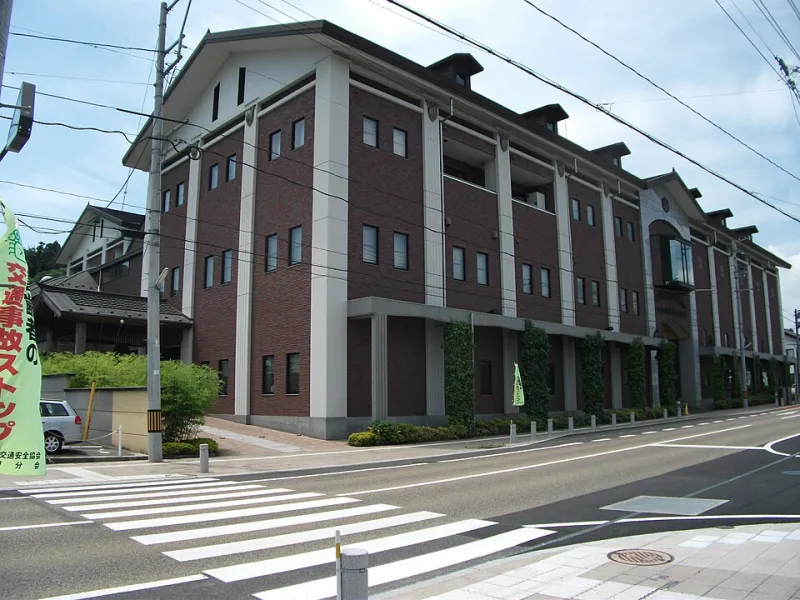
Photo: 妖精書士, CC0, via Wikimedia Commons
There is a seductive shortcut that sake educators—and, frankly, sake marketers—sometimes take when introducing American drinkers to regional style differences. They invoke terroir. The word carries enormous weight in a country where Napa Valley Cabernet and Willamette Valley Pinot Noir have trained consumers to believe that geography is destiny. Apply that framework to sake, and everything seems to click into place: Hyogo produces bold, dry sake; Kyoto produces soft and delicate sake; Niigata produces clean, restrained sake. Geography explains flavor. Case closed.
Except it is not that simple—and the brewers themselves will tell you so.
Why 'Terroir' Is the Wrong Lens
In wine, terroir describes a largely passive relationship. The vine draws minerals from a specific plot of soil, the climate shapes the growing season, and the winemaker's primary job is to not get in the way of what the land is expressing. The geography acts on the grape.
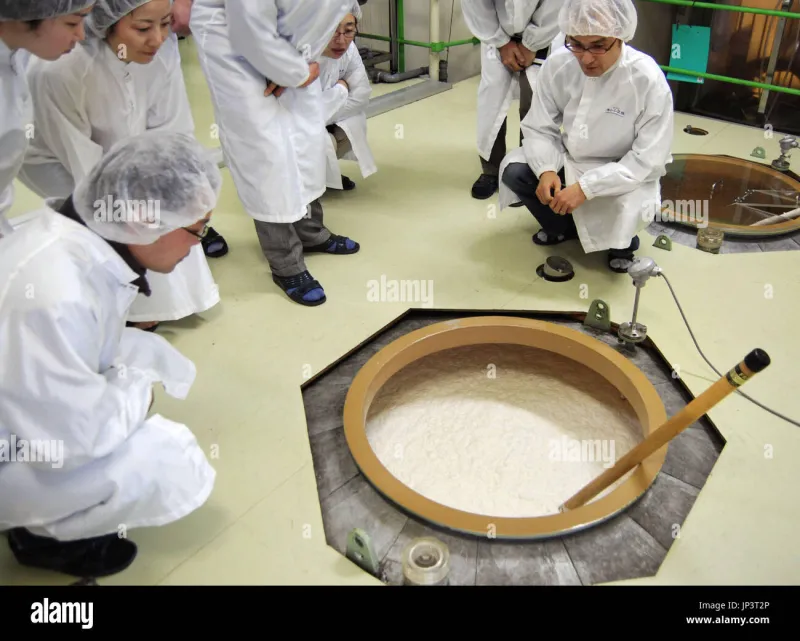
In sake brewing, that relationship is almost entirely reversed. Water—the single ingredient that constitutes roughly eighty percent of finished sake by volume—does not simply flow from a spring into a fermentation tank and impose its character. Brewers test it, adjust it, and in many cases reconstruct it from scratch. The mineral profile of regional water is less a fixed signature and more a starting point, one that a skilled toji (master brewer) may choose to honor, modify, or abandon entirely depending on the style they are pursuing.
Calling this terroir flattens a sophisticated technical practice into a romantic geographical story. It is the kind of shortcut that feels satisfying until you start asking harder questions.
What the Minerals Actually Do
To understand why water matters so profoundly in sake, it helps to know what specific minerals are doing inside the fermentation vessel.
Potassium and magnesium are yeast nutrients. They accelerate fermentation, driving it toward a vigorous, high-energy process that tends to produce sake with a drier, more assertive profile. Brewers who want this outcome—or who are working with a yeast strain that benefits from that kind of vigor—welcome these minerals.
Phosphoric acid compounds serve a similar purpose, supporting enzyme activity during the saccharification phase, when koji mold converts rice starches into fermentable sugars.
Iron, on the other hand, is the enemy. Even trace amounts—as little as 0.02 parts per million—will discolor sake and introduce harsh, unpleasant flavors. Every serious brewery, regardless of region, actively works to eliminate iron from its water supply.
Manganese is similarly problematic, accelerating oxidation and degrading the sake's clarity over time.
The famous Miyamizu water of Nada, sourced from the Rokko mountain range in Hyogo Prefecture, is celebrated precisely because it is naturally high in the beneficial minerals and historically low in the damaging ones. This is not magic geography. It is a fortunate geological accident that brewers recognized, studied, and built a brewing tradition around—a tradition that has since been replicated in breweries that have no access to Miyamizu whatsoever, through careful water adjustment.
Three Regions, Three Water Profiles, Three Different Relationships with Craft
Nada, Hyogo Prefecture — The hard water of Nada has made it Japan's most prolific sake-producing region for centuries. The mineral-rich profile produces fast, forceful fermentations. The resulting sake—often categorized under the regional style called Nada-zake—tends to be dry, structured, and what Japanese drinkers describe as otoko-zake, or 'man's sake.' But here is the nuance that the terroir narrative misses: Nada brewers have spent generations learning how to work with that hardness, tempering it through rice selection, koji cultivation, and fermentation management. The water gave them a canvas; the craft determined the painting.
Fushimi, Kyoto Prefecture — The soft, low-mineral water drawn from the Momoyama Plateau produces the opposite conditions. Fermentation moves slowly and gently. The sake that emerges—Fushimi-zake—is historically described as onna-zake, or 'woman's sake,' a term that reflects the delicacy of the profile rather than any literal gender association. The challenge for Fushimi brewers has always been that soft water, with fewer yeast nutrients available, can produce sluggish or unstable fermentations. Managing that instability, coaxing consistent quality from a mineral-poor environment, is itself a form of craft mastery.
Niigata Prefecture — Niigata's water is also notably soft, filtered through heavy snowpack before reaching brewery wells. The region's association with tanrei karakuchi—a style defined by clean, dry, almost neutral elegance—is partly a function of water chemistry and partly a function of deliberate stylistic choice made by Niigata brewers in the postwar decades. They leaned into the lightness their water permitted and developed rice polishing and fermentation practices that amplified it. The style became a brand. The water made it possible; the brewers made it famous.
The Modern Practice of Water Adjustment
Perhaps the most revealing fact about water and sake is that contemporary brewers routinely adjust their water chemistry with the same precision a chef applies to seasoning. Breweries that lack access to naturally ideal water sources will add potassium chloride, magnesium sulfate, or other mineral compounds to achieve a target profile. Some breweries use reverse osmosis filtration to strip their water down to a near-blank state and then build the mineral content back up from zero, controlling every variable with scientific exactness.
This is not a workaround or a compromise. It is standard professional practice, and it produces sake of the highest quality. The fact that it is possible—and common—fundamentally undermines the terroir argument. If the 'place' in the water can be removed and reconstructed anywhere, what exactly is the place expressing?
What This Means for How You Taste Sake
None of this should diminish your appreciation for regional style differences. Nada sake and Fushimi sake genuinely taste different, and those differences are real and worth exploring. The point is to understand why they taste different with greater accuracy.
When you taste a Nada junmai and notice its dry, clean minerality, you are not simply tasting a place. You are tasting the accumulated decisions of generations of brewers who understood their water, respected its strengths, compensated for its limitations, and built a regional identity through disciplined craft. When you taste a Fushimi ginjo and notice its soft, almost pillowy texture, you are tasting a brewer's hard-won skill at coaxing elegance from a chemically challenging environment.
That is a richer story than terroir. It asks more of the drinker, but it rewards the effort with a far deeper understanding of what sake actually is: not the passive expression of a landscape, but the active achievement of human knowledge applied to natural materials over centuries of refinement.
The water is the beginning. The brewer is the story.