Before You Pour It Down the Drain: Rethinking What an Older Sake Bottle Is Actually Worth
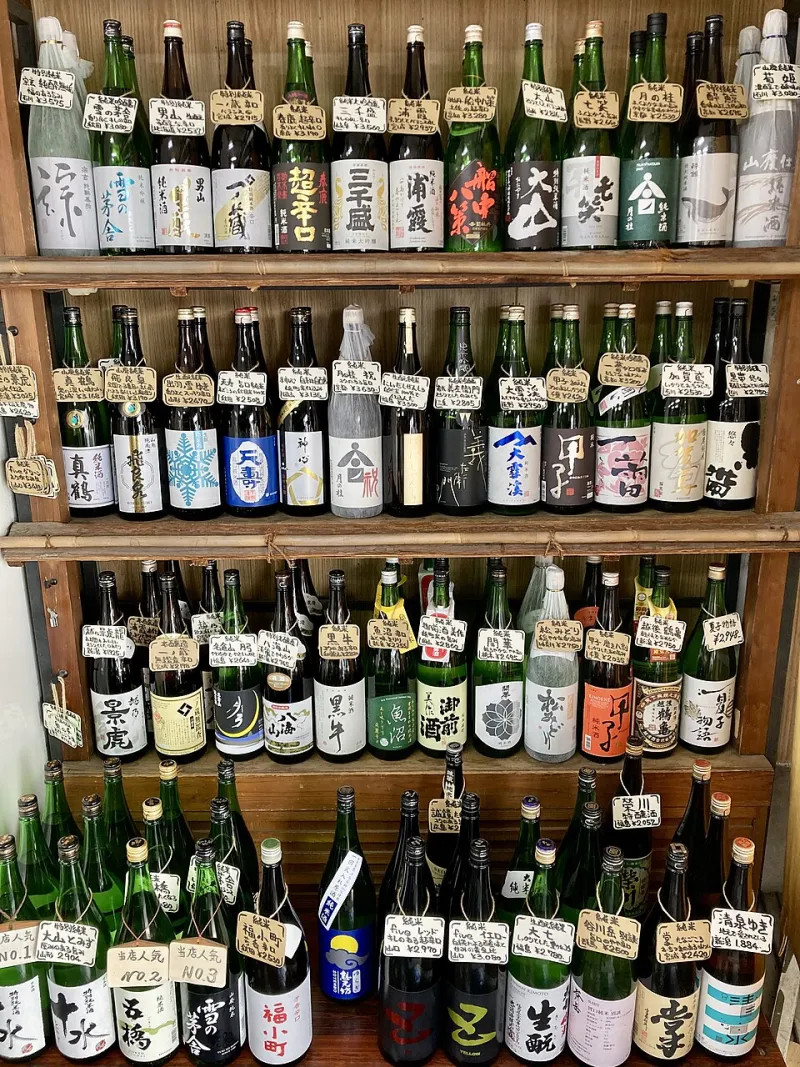
Photo: Dudva, CC BY-SA 4.0, via Wikimedia Commons
Somewhere in a great many American kitchens, there is a bottle of sake that has been quietly waiting. Perhaps it was purchased for a dinner party that ended before anyone got around to opening it. Perhaps it arrived as a gift and was set aside for a special occasion that never materialized. And now, months or even a year later, it sits on a shelf—and its owner is genuinely unsure whether to open it or simply move on.
The instinct to discard it is understandable. Sake has developed a reputation in the United States as a beverage that must be consumed quickly or not at all. This idea is not entirely without foundation, but it is far less universal than the conventional wisdom suggests. The truth is considerably more nuanced, and it begins with understanding what sake actually is—not as a category, but as a spectrum of styles with very different relationships to time.
Why the 'Drink It Now' Rule Exists in the First Place
The urgency around freshness in sake is rooted in one specific style: nama sake, or unpasteurized sake. Nama undergoes no heat treatment after fermentation, which means the enzymes and microorganisms present in the liquid remain active. Left at room temperature, nama sake will change—and not in ways most drinkers would welcome. Flavors flatten, aromas shift, and the lively quality that defines the style begins to fade within weeks of bottling.
Beyond nama, the concern about freshness is most relevant to ginjo and daiginjo-class sakes—those brewed with highly polished rice and fermented at low temperatures to produce delicate floral and fruity aromas. These aromatic compounds, known as ginjo-ka, are genuinely volatile. They are the first things to diminish when a bottle is exposed to heat, light, or prolonged storage. If you purchased a premium daiginjo and stored it at room temperature for eight months, the experience in the glass will likely be a quieter version of what the brewer intended.
But quieter is not the same as ruined.
What Actually Happens to Sake on an American Kitchen Shelf
Most sake sold in the United States is pasteurized—often twice, once before storage and once before bottling. This process stabilizes the liquid and significantly extends its functional shelf life. A standard pasteurized junmai or honjozo stored in a reasonably cool, dark location will not become unsafe to drink. What changes is its character.
At room temperature over several months, oxidation gradually alters the flavor profile. The sake may develop deeper, earthier notes—sometimes described as nutty, caramel-like, or reminiscent of dried fruit. Whether this constitutes deterioration depends entirely on what you were expecting. Drinkers who approach the bottle anticipating the crisp, clean profile of a fresh junmai ginjo may be disappointed. Those who approach it with curiosity and an open palate may find something genuinely interesting.
Storage conditions matter considerably more than most American consumers realize. A sake kept at a consistent 55 to 65 degrees Fahrenheit—a wine refrigerator, a cool basement, or even a temperature-stable pantry—will fare far better than one subjected to the fluctuating warmth of a kitchen cabinet near the stove. Light is equally consequential. Ultraviolet exposure accelerates chemical degradation in sake just as it does in wine and beer. A bottle in a dark cabinet has a meaningful advantage over one sitting on a bright countertop.
The Styles That Actually Benefit from Age
Here is where the story becomes genuinely interesting for the curious drinker: some sake is deliberately made to age. Koshu, or aged sake, is a style that has existed in Japan for centuries and is increasingly available through specialty importers in the United States. These bottles are stored for years—sometimes decades—under controlled conditions, and the results can be remarkable. Flavors develop into something reminiscent of aged sherry, miso, or even certain styles of oxidized wine. Colors deepen from pale gold to amber. The experience is entirely different from fresh sake, and intentionally so.
Junmai sake—sake brewed without added distilled alcohol and with moderate to robust rice character—tends to age more gracefully than its delicate ginjo counterparts. The fuller body and higher acidity of many junmai styles provide more structural resilience over time. A well-made junmai stored properly for a year or two may simply taste different rather than worse, having traded brightness for depth.
Nigori sake, with its suspended rice solids, follows its own rules. The texture and sweetness that define the style can persist for longer than many expect, though separation and changes in mouthfeel are normal and do not indicate spoilage.
How to Assess a Bottle Before You Decide
If you are holding a bottle and genuinely unsure of its condition, a methodical approach will serve you better than assumption. Begin by examining the color. Sake that has shifted toward yellow or amber has oxidized—this is not inherently problematic, but it tells you something about the trajectory of the bottle. A sake that should be pale and crystalline but now looks dark gold has changed substantially from its original state.
Smell the sake before tasting it. Off aromas—sourness that feels sharp and unpleasant, a vinegar-like quality, or a musty character that does not resolve—suggest the bottle has moved beyond interesting aging into actual spoilage. This is relatively rare in pasteurized sake, but it does occur.
If the aroma is simply muted, or if it has developed earthier, more savory qualities, taste a small pour. Serve it slightly warmed, around 105 to 115 degrees Fahrenheit. Warmth is remarkably forgiving with older sake—it softens rough oxidation notes and allows the remaining depth of the liquid to come forward. Many bottles that would seem flat or dull when chilled become genuinely enjoyable when gently heated.
Adjusting Expectations Without Abandoning Standards
The most useful shift an American sake drinker can make is to stop treating all sake as a single perishable category and start thinking about style-specific behavior. Freshness is essential for nama sake and premium ginjo. It matters considerably less for a robust junmai or a honjozo. And for deliberately aged koshu, time is the entire point.
The bottle you set aside is not automatically a loss. It may have become something different from what you purchased—and different, in sake as in most things worth understanding, is worth investigating before you reach a verdict. Pour a small amount, approach it without the expectation of what it once was, and let the liquid tell you where it has been.
That, in the end, is the practice that sake rewards most consistently: not the application of rigid rules, but the willingness to observe what is actually in the glass.